
Dendrobium heyneanum
Dendrobium heyneanum
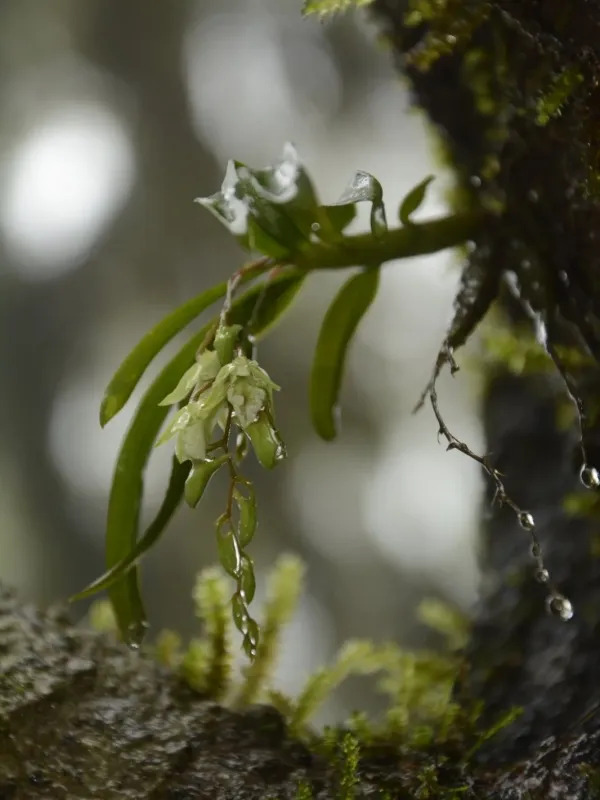
Description
Growing requirements
Dendrobium heyneanum is a distinct member of the Orchidaceae family, natively found in the Western Ghats of India. As an epiphytic orchid, it thrives in high-humidity tropical environments, often clinging to the branches of trees within its endemic range.
The cultural requirements for this species focus heavily on maintaining high humidity levels combined with excellent airflow. In an agricultural or greenhouse setting, the plant requires a porous, well-draining medium that prevents root suffocation, often consisting of premium grade fir bark or cork mounts.
Light intensity is another critical factor for growth and flowering. Dendrobium heyneanum requires bright, filtered sunlight; exposure to direct, harsh light can scorch its stems and leaves, while insufficient light leads to weak, spindly growth and a failure to bloom.
The plant necessitates a seasonal cycle: a vigorous growth period during the warmer months when water and nutrient intake are high, followed by a cooler, drier rest period in winter. This seasonality is essential for triggering the development of inflorescences in the following year.
Regular fertilization with a balanced, diluted orchid fertilizer is necessary during the active growing season. However, it is vital to flush the medium with clean water periodically to prevent the accumulation of mineral salts, which can cause chemical burns to the sensitive root system.
Main diseases and pests
The primary threats to the health of Dendrobium heyneanum are fungal and bacterial infections caused by poor drainage and excessive moisture stagnation. These pathogens often attack the pseudobulbs, leading to rapid tissue death if not intercepted early.
Pest management is focused on controlling scale insects and spider mites. These pests thrive in tropical conditions and can quickly weaken the plant by extracting sap from the pseudobulbs and leaves, leaving behind entry points for secondary infections.
Mealybugs are another common challenge, particularly in greenhouse conditions. They typically congregate in hidden areas of the plant, such as leaf axils, and require manual removal or specific systemic insecticides to control populations.
Root rot is the most devastating condition, usually triggered by improper substrate decomposition. When the bark breaks down into fine particles, it retains too much water, causing the roots to rot within days; therefore, timely repotting is an essential agronomic practice.
Maintaining a clean, well-ventilated environment is the best defense against threats. Integrating systematic monitoring and quarantine procedures for new plants prevents the introduction of pests and diseases that could decimate a collection.