
Dendrobium grande
Dendrobium grande
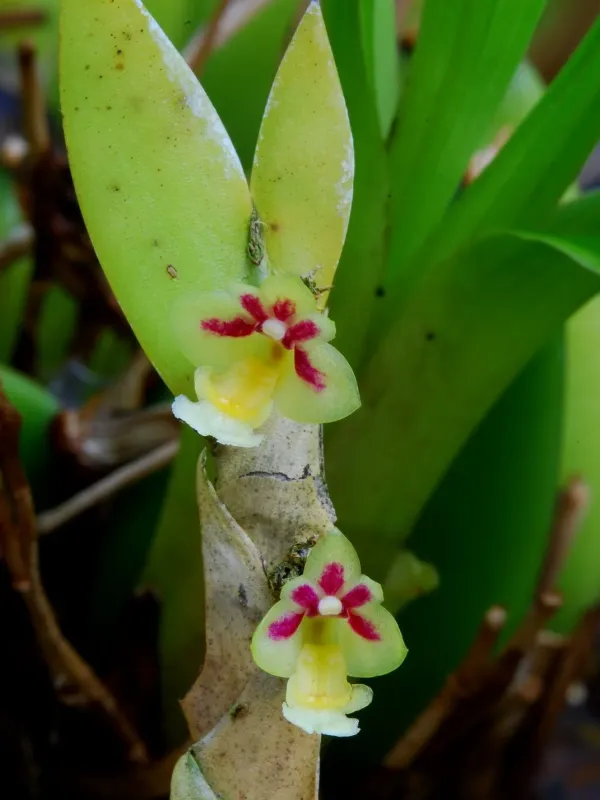
Description
Growing requirements
Dendrobium grande is a notable species within the Orchidaceae family. It is primarily an epiphytic orchid that naturally inhabits the humid forest canopies of Southeast Asia, utilizing tree branches for support and moisture absorption.
Optimal growth requires high atmospheric humidity levels, ideally maintained between 60% and 75%. In controlled agricultural settings, consistent airflow is mandatory to prevent fungal development and ensure the health of the aerial roots.
The climate demands for this species involve a moderate temperature range. Daytime temperatures should ideally stay between 22°C and 26°C, with a necessary drop during the night to initiate metabolic changes conducive to flowering.
The growing medium for Dendrobium grande must be highly porous. Professional growers typically utilize coarse-grade pine bark, supplemented with charcoal or perlite to ensure rapid drainage and prevent the roots from suffocating in stagnant moisture.
Regarding light, this orchid thrives in bright but indirect sunlight. Direct exposure during peak hours can result in rapid dehydration and tissue scorching, so filtration via a greenhouse net or thin curtains is highly recommended.
Main diseases and pests
Common pests associated with this culture include mealybugs and scale insects. These organisms reside in the crevices of stems and leaf junctions, drawing nutrients from the plant and necessitating early detection and manual or chemical removal.
Root rot is the most frequent pathological issue resulting from poor drainage or excessive irrigation. Ensuring that the substrate dries out sufficiently between watering cycles is the primary preventative measure for healthy root development.
Fungal infections, often manifested as necrotic leaf spots, are usually triggered by high humidity combined with low airflow. Fungicidal treatment should be administered alongside an improvement in ventilation to mitigate these risks.
Spider mites are a persistent threat in environments with low humidity. These pests damage the photosynthetic capacity of the foliage, which can cause significant growth stunting if not treated with appropriate acaricides.
Bacterial soft rot can occur if water remains trapped in the center of the plant growth points. Maintaining a dry crown after any overhead irrigation or cleaning is critical to avoiding this rapid and often fatal disease.