
Dendrobium findlayanum
Dendrobium findlayanum
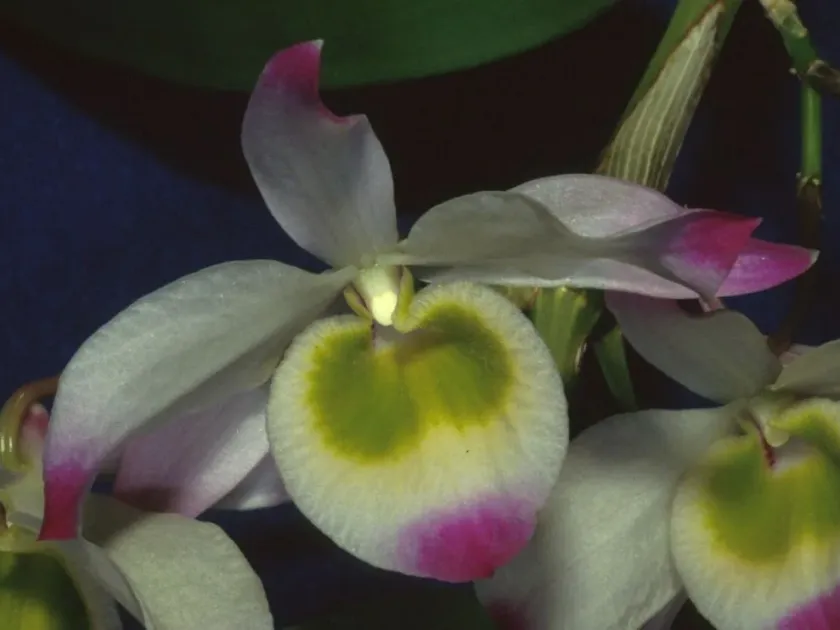
Description
Growing requirements
Dendrobium findlayanum is an attractive epiphytic orchid species belonging to the Orchidaceae family. It is native to the tropical montane forests of Southeast Asia, predominantly found in Thailand, Myanmar, and Laos at considerable altitudes.
The botanical structure of this orchid is unique due to its canes, which feature distinct, swollen nodes resembling beads. This characteristic look is accompanied by deciduous foliage, where the plant sheds its leaves during the dormant phase of its biological cycle.
To cultivate this species successfully, it requires bright, filtered light. Protecting the plant from direct afternoon sun is critical to prevent tissue damage. Maintaining a temperature range between 22 and 26 degrees Celsius during the growing season is essential for vigorous development.
The root system requires an airy, fast-draining substrate. A mix of high-quality pine bark, charcoal, and perlite or sphagnum moss is recommended to facilitate optimal airflow, which prevents the roots from remaining damp for too long.
A specific seasonal approach is necessary for blooming. A cool, dry resting period in winter, with reduced watering and temperatures lowered to about 12–15 degrees Celsius, triggers the formation of flower spikes from the nodes of the older canes.
Main diseases and pests
Root rot is the most significant threat to the health of Dendrobium findlayanum. It is typically caused by overwatering or poor drainage. Ensuring the substrate dries sufficiently between waterings is the primary strategy to prevent fungal decay.
Scale insects are common pests that colonize the stems. They extract sap, weakening the plant. Regular monitoring of the canes and prompt application of horticultural oils or systemic insecticides are required to manage these infestations effectively.
Spider mites are prevalent in environments with low humidity. They can quickly damage leaves, leading to chlorosis. Maintaining consistent ambient humidity and good air circulation is key to preventing their appearance and spread.
Mealybugs often congregate in hidden areas, such as leaf axils or near the nodes. If detected, they should be treated immediately with localized applications of insecticidal soap or specific systemic treatments to prevent them from spreading to other orchids.
Bacterial or fungal leaf spots indicate improper environmental conditions. Affected areas should be cut back to healthy tissue, and the plant must be relocated to a space with better ventilation and slightly lower humidity until it recovers from the pathogen attack.