
Dendrobium derryi
Dendrobium derryi
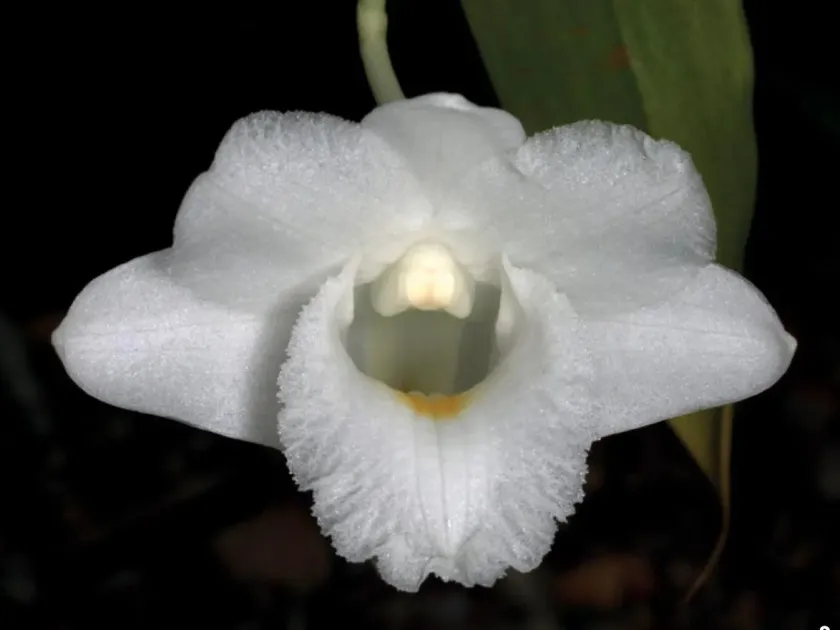
Description
Growing requirements
Dendrobium derryi is a distinct species within the Orchidaceae family, known for its epiphytic growth habit. Originating from the tropical regions of Southeast Asia, it thrives in environments characterized by high humidity and consistent tropical temperatures.
To successfully cultivate this species, growers must maintain a daytime temperature between +22 and +28 degrees Celsius. A cooling period during the night is essential, as this mimics the natural diurnal temperature fluctuations that trigger the plant's metabolic activity and blooming cycle.
The substrate requirement for this culture is specific: it must be well-draining and aerated. A standard mix typically includes pine bark, perlite, and charcoal, which ensures that roots receive adequate oxygen while preventing waterlogging that leads to decay.
High relative humidity, ideally above 65%, is required for healthy leaf and root development. In artificial environments, consistent humidity levels are best achieved using ultrasonic humidifiers or by keeping the plants in a well-ventilated enclosure.
Light intensity plays a critical role in the vegetative growth phase. Dendrobium derryi requires bright, diffused light. Excessive direct sunlight can cause thermal leaf burn, while insufficient lighting results in elongated, weak pseudobulbs that are incapable of producing flowers.
Main diseases and pests
The primary pathological threats to Dendrobium derryi are fungal pathogens, specifically those causing root and crown rot. These infections often originate from poor drainage and lack of airflow, which create stagnant conditions where fungi thrive rapidly.
Insect pests, most notably spider mites and mealybugs, are frequent offenders in indoor cultivation. These pests typically congregate in the leaf axils or on the undersides of leaves, causing structural damage and weakening the plant's natural defense systems.
Preventative measures include maintaining strict hygiene protocols, such as sterilizing tools between uses and isolating new plants. Regular inspections of the plant's foliage can help catch infestations in the early stages, preventing the need for heavy chemical intervention.
Bacterial soft rot is another danger, often exacerbated by high temperature and high moisture levels. If a plant shows signs of necrotic, watery spots on its leaves, the affected tissue must be excised immediately to prevent the rapid spread of the bacteria.
Nutrient toxicity, or salt buildup, can occur over time if the substrate is not flushed periodically with clean, deionized water. Excessive salt concentration affects root tip health, making the plant significantly more susceptible to opportunistic pathogens and reducing overall vigor.