
Dendrobium dantaniense
Dendrobium dantaniense
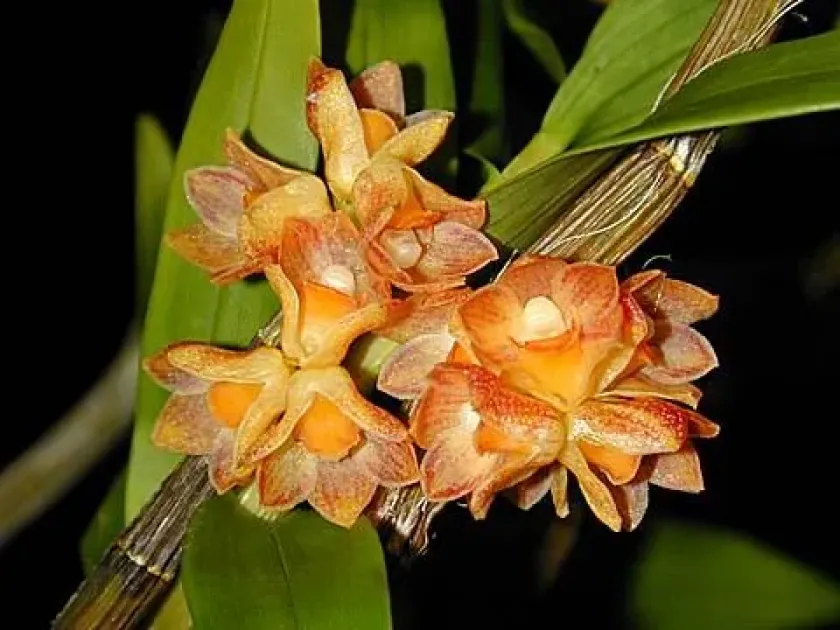
Description
Growing requirements
Dendrobium dantaniense is a unique species belonging to the Orchidaceae family, known for its epiphytic growth habit. Native to the humid tropical regions of Southeast Asia, this orchid thrives in environments with high humidity and consistent airflow.
When cultivating this species, mimicking its natural habitat is crucial for healthy development. The planting medium must be highly porous, usually composed of high-quality pine bark, perlite, or charcoal, ensuring roots can breathe and excess water drains away instantly.
Temperature requirements for Dendrobium dantaniense involve a moderate range of 20–25°C during the day. Providing a distinct drop in temperature at night is essential, as this helps the plant regulate its metabolic processes and promotes successful blooming.
Light intensity should be bright but filtered. The plant performs best under conditions that prevent leaf scorch while ensuring enough light energy for optimal photosynthesis and the development of robust, fleshy pseudobulbs.
Watering strategies must be adjusted according to the growing season. During active growth, the plant requires more frequent hydration and consistent fertilization, while the resting period necessitates a reduction in moisture to prevent root decay.
Main diseases and pests
Like many orchids, Dendrobium dantaniense is susceptible to various fungal and bacterial pathogens. Excessive water accumulation in the leaf axils or stagnant conditions often leads to crown rot or soft rot, which can be fatal if not treated.
Pests such as spider mites are a major concern, especially in dry, indoor environments. These microscopic pests feed on the underside of leaves, causing discoloration and significant stress to the orchid's overall health.
Scale insects and mealybugs can also infest the stems and pseudobulbs, draining nutrients from the plant. Manual removal combined with biological or chemical control agents is often necessary to manage these outbreaks effectively.
Proper air circulation is the most effective preventative measure against many common orchid diseases. Ensuring that the foliage dries quickly after watering significantly lowers the risk of pathogen colonization on the plant surface.
Regular maintenance, including the sterilization of tools and the periodic cleaning of the greenhouse or growing area, is vital. Maintaining high standards of hygiene keeps the plant population vigorous and productive throughout its lifecycle.