
Dendrobium cunninghamii
Dendrobium cunninghamii
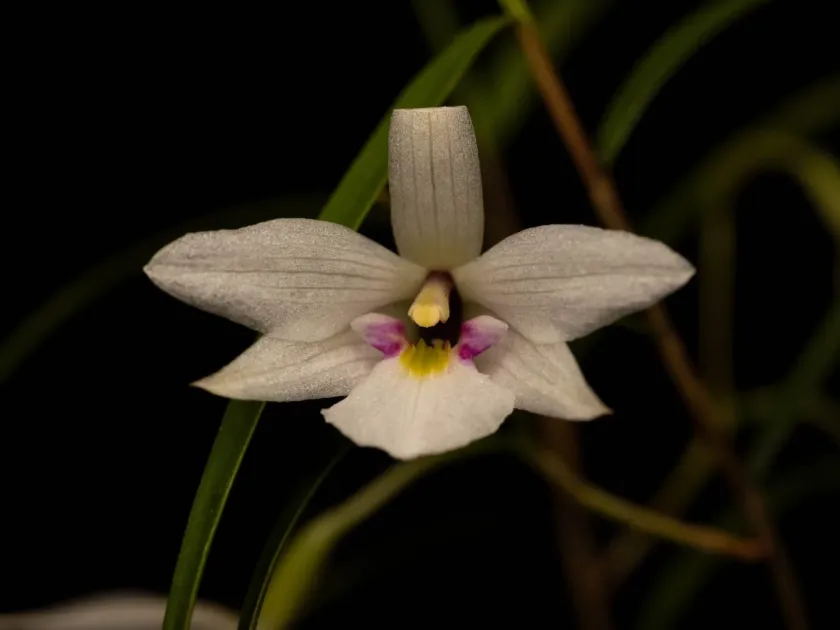
Description
Growing requirements
Dendrobium cunninghamii is a distinctive orchid species belonging to the Orchidaceae family, native to the forests of New Zealand. As an epiphyte, it naturally grows on the branches of trees, where it utilizes atmospheric moisture and nutrients gathered from decaying organic debris.
The plant is characterized by its thin, drooping, wiry stems that resemble conifer foliage, reaching several decimeters in length. Its small, narrow leaves are arranged in two rows, creating a unique texture that makes it distinct from most other orchid species in commercial cultivation.
To cultivate this species successfully, growers must mimic its native cool and humid climate. It thrives in conditions with high air humidity and consistent, moderate temperatures, avoiding extreme heat that can stress the delicate tissues of the stems.
A well-draining substrate is critical, typically composed of pine bark, charcoal, and sphagnum moss. This combination ensures that the root system has access to oxygen, preventing the suffocation and root rot often seen in standard potting mixes.
In terms of agricultural and horticultural use, it is a highly prized plant for specialist collections and botanical display gardens. Its specific environmental needs mean it is generally reserved for dedicated enthusiasts rather than mass-market horticulture.
Main diseases and pests
Fungal rot is the primary threat to this species, usually caused by stagnant water around the roots. Once rot begins, it can spread rapidly, making prompt corrective action in irrigation management absolutely essential for the survival of the plant.
Scale insects are common pests that tend to cluster in the leaf axils, where they are shielded from physical removal. Their feeding leads to stunted growth and provides entry points for secondary bacterial or viral infections.
Mealybugs are another persistent threat, particularly in glasshouse environments with poor ventilation. They weaken the plant by feeding on its sap and can quickly propagate throughout a collection if not treated immediately with targeted insecticides.
Bacterial spot disease can occur if the humidity is high but air movement is insufficient. Maintaining a consistent gentle breeze around the orchid is a key preventive measure to ensure leaves remain dry enough to resist pathogen colonization.
Regular inspection and sanitation of the growing environment are the cornerstones of effective pest and disease management for this orchid. Biological control agents or targeted pesticides should be applied strictly according to the manufacturer's guidelines.