
Dendrobium conanthum
Dendrobium conanthum
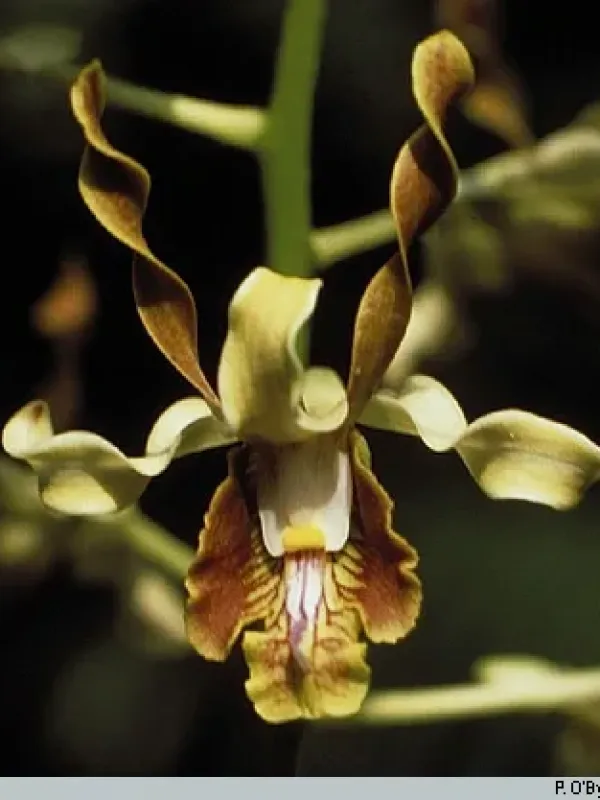
Description
Growing requirements
Dendrobium conanthum is an epiphytic orchid species belonging to the Orchidaceae family, native to the tropical forests of New Guinea where it thrives in high-humidity environments.
Successful cultivation requires maintaining temperatures between 24°C and 28°C during the day, with a necessary nocturnal drop to 18°C-20°C to simulate natural environmental conditions and trigger blooming.
The substrate must prioritize drainage; a mixture of high-quality pine bark, charcoal, and sphagnum moss is recommended to ensure that the root system receives adequate oxygen while retaining necessary moisture.
This species requires high light intensity, ideally filtered or dappled sunlight, which encourages the development of healthy, robust pseudobulbs and vibrant inflorescences during the flowering season.
Watering practices should be strictly synchronized with the plant's metabolic cycles, ensuring sufficient moisture during the active growing phase and reducing volume during the cooler, dormant period.
Main diseases and pests
The primary threats to Dendrobium conanthum include fungal and bacterial infections such as stem rot and anthracnose, often caused by stagnant air and water saturation in the root zone.
Pest management is focused on controlling common orchid threats like mealybugs, aphids, and spider mites, which can cause significant damage to foliage and developing flower spikes if left untreated.
Maintaining high hygiene standards in the greenhouse or growing area, including the sterilization of tools, is crucial for preventing the spread of viral diseases that can permanently weaken the orchid.
Application of horticultural oils or specialized insecticides should be handled carefully, as the orchid's delicate tissues are sensitive to harsh chemical concentrations.
Providing constant, light airflow around the plant is the most effective biological defense against pests and diseases, as it eliminates the humid niches where these organisms thrive.