
Golden Dendrobium
Dendrobium chrysotoxum
Description
Growing requirements
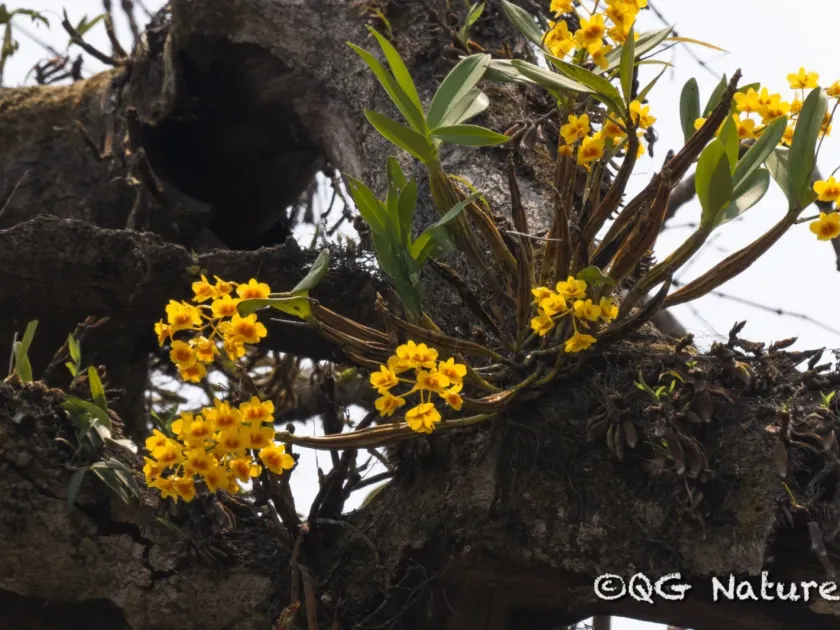
Golden Dendrobium (Dendrobium chrysotoxum) is a distinct species within the Orchidaceae family, native to the tropical forests of Southeast Asia. This epiphytic plant is highly regarded for its robust pseudobulbs and bright yellow, fragrant floral displays.
The plant requires high light intensity to thrive and bloom effectively. While it prefers bright, filtered sunlight, growers must provide shading during peak midday hours to prevent thermal damage to the succulent foliage and bulbs.
Climate control is essential for the species' life cycle. Successful cultivation involves maintaining a significant temperature drop during the winter dormancy period. This thermal stimulation is a prerequisite for triggering the production of flower spikes.
Irrigation practices must follow the plant's seasonal rhythm. During the growing phase, water should be applied consistently to keep the medium moist but not waterlogged. Once the pseudobulbs are fully matured, irrigation should be significantly reduced.
A well-draining epiphyte substrate is critical for root health. A coarse mixture of bark, charcoal, and perlite ensures adequate gas exchange, which prevents the development of hypoxia in the root zone—a common cause of plant failure.
Main diseases and pests
Pest management is a fundamental aspect of commercial orchid production. Scale insects are among the most persistent pests for this species, often clustering on the pseudobulbs and feeding on the vascular system of the plant.
Fungal rots are the primary threat during periods of high ambient humidity or poor air circulation. Phytophthora and Pythium species can colonize the root system rapidly if the potting medium remains saturated for too long.
Spider mites represent a significant challenge in greenhouse environments where humidity levels are insufficient. These mites puncture the leaf cells, causing a characteristic stippled appearance and eventual leaf necrosis.
Mealybugs can cause severe damage by secreting honeydew, which serves as a medium for sooty mold. This mold growth not only looks unsightly but also blocks sunlight, significantly reducing the plant's photosynthetic capacity.
Integrated Pest Management (IPM) strategies, including biological control agents and targeted applications of systemic pesticides, are necessary for maintaining healthy stocks. Regular monitoring and sanitation protocols help mitigate these risks.