
Dendrobium christyanum
Dendrobium christyanum
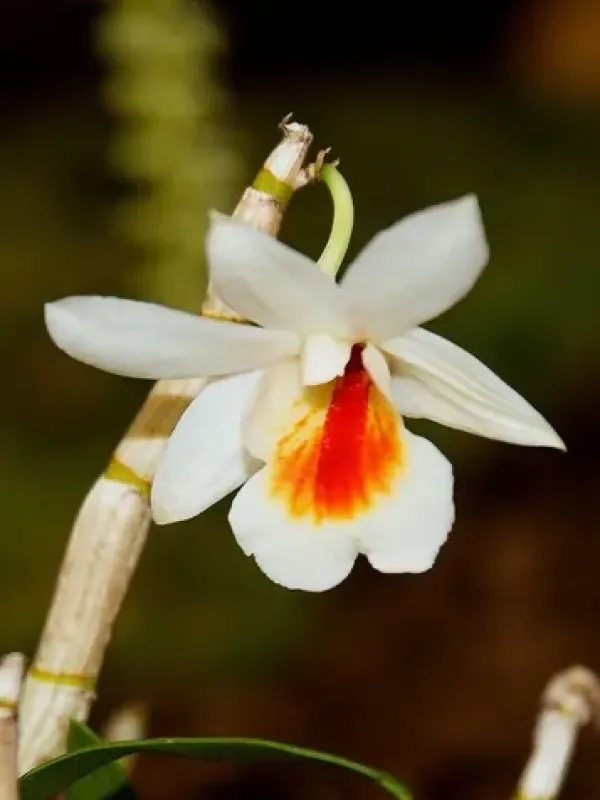
Description
Growing requirements
Dendrobium christyanum is a compact epiphyte belonging to the Orchidaceae family, native to the tropical forests of Southeast Asia, specifically found in Thailand and Vietnam.
Cultivating this species requires a specific microclimate that mimics its natural habitat, emphasizing high humidity levels of 70% to 80% throughout the year.
The plant thrives in intermediate to warm temperatures and necessitates a distinct temperature drop at night to induce proper blooming cycles in the spring.
As an epiphytic species, it must be grown in a well-aerated potting medium, typically consisting of medium-grade pine bark, charcoal, and a layer of sphagnum moss.
Optimal light conditions include bright, filtered light; excessive direct sunlight should be avoided to prevent desiccation and burning of the foliage and pseudobulbs.
Main diseases and pests
The primary agricultural threats to Dendrobium christyanum include fungal root rot, which typically develops due to poor drainage and excessive moisture in the growing medium.
Pests such as spider mites, aphids, and scale insects frequently infest these orchids, particularly in environments with stagnant air and insufficient humidity control.
Effective pest management requires regular monitoring of the plant, specifically checking the undersides of leaves and the junction of pseudobulbs for early signs of infestation.
To combat outbreaks, producers utilize systemic insecticides or horticultural oils while ensuring that the treatment does not damage the sensitive aerial root system.
Proactive cultural practices, such as maintaining good airflow around the plants and using sterile tools for repotting, are essential to minimize disease transmission.