
Dendrobium brymerianum
Dendrobium brymerianum
Description
Growing requirements
Dendrobium brymerianum is an exotic member of the Orchidaceae family, originating from the humid mountain forests of Southeast Asia. It is widely recognized among botanists for its specialized ecological niche as an epiphyte growing on mossy tree branches.
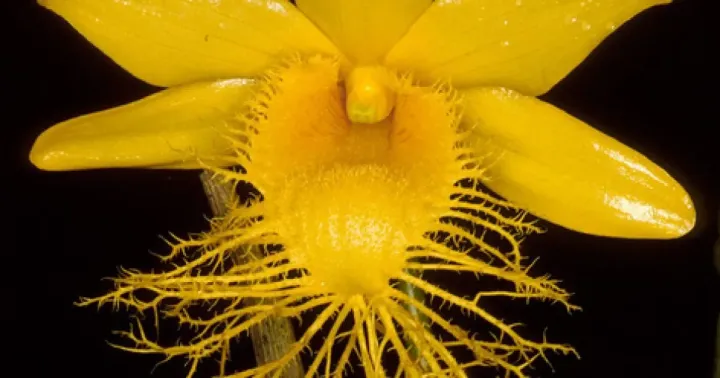
The plant is distinguished by its unique morphology, featuring fleshy pseudobulbs and long, slender leaves. The most striking characteristic is its bright yellow, heavily fringed labellum, which gives the flower its specific, lace-like aesthetic appeal.
Successful cultivation requires a stable environment mimicking its tropical highland habitat. Daytime temperatures should ideally range from 20°C to 25°C, with a significant drop at night to encourage vigorous flowering and pseudobulb maturation.
Proper aeration is essential for the root system, which is why basket culture or mounting on wood is preferred over traditional potting. The substrate must facilitate fast drainage while retaining enough moisture to support growth throughout the growing season.
Commercial and private hobbyist use is centered on the plant's high ornamental value. Due to its specific requirements, it is considered a premium orchid species, highly sought after by connoisseurs of the Dendrobium genus.
Main diseases and pests
Root rot is the primary physiological threat to the plant, usually triggered by improper watering schedules or substrates that remain sodden for too long. Poor air circulation significantly exacerbates the risk of fungal infections.
Pest pressure is commonly observed from scale insects and mealybugs. These pests hide in the crevices of the pseudobulbs, making them difficult to detect until the plant starts showing signs of stunted growth or chlorosis.
Spider mites are a major concern during dry, hot weather, feeding on the undersides of the leaves. Regular misting and maintaining optimal humidity levels help in deterring these infestations effectively.
Integrated pest management, including physical removal of insects and the use of bio-rational pesticides, is recommended to manage outbreaks without damaging the sensitive orchid tissue.
- Frequent monitoring of leaf undersides
- Installation of small circulation fans
- Avoidance of water accumulation in the crown