
Dendrobium bigibbum
Dendrobium bigibbum
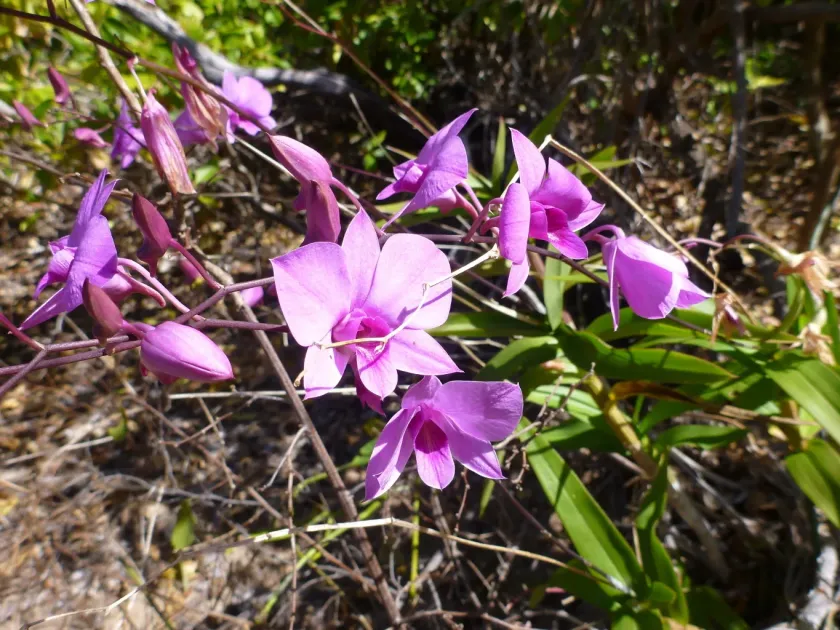
Description
Growing requirements
Dendrobium bigibbum, commonly referred to as the Cooktown orchid, belongs to the Orchidaceae family. It is a robust epiphytic species native to tropical regions of Australia, specifically Queensland, where it thrives in high-humidity environments.
Commercial cultivation requires strict temperature management. The plant prefers daytime temperatures between 22°C and 28°C. A distinct drop in nighttime temperatures is necessary to successfully trigger blooming cycles in greenhouse production.
Substrate composition is a vital factor in the agronomy of this species. A coarse, well-draining mixture consisting of pine bark, charcoal, and perlite is essential to ensure adequate airflow around the root system and prevent root suffocation.
Lighting must be bright yet filtered. In industrial greenhouses, growers use light-shading screens to prevent leaf scorching while ensuring enough photosynthetically active radiation reaches the plant for vigorous vegetative growth.
Watering frequency is determined by the substrate's moisture level. It is crucial to allow for a dry-out period between irrigation cycles to prevent anaerobic conditions that favor root rot development in the pot environment.
Main diseases and pests
Pest management is a cornerstone of professional orchid production. Spider mites and mealybugs are the primary threats, as they thrive in greenhouse settings and can rapidly diminish the commercial value of the flower spikes.
Fungal pathogens such as Fusarium and Rhizoctonia pose significant risks to crop health. These diseases are often introduced through contaminated water or poor sanitation practices within the facility.
Integrated Pest Management (IPM) protocols should be strictly followed. This includes the use of biological controls where possible, combined with targeted chemical treatments to manage outbreaks without harming the delicate orchid tissues.
Excessive moisture trapped in the crown of the plant can lead to crown rot, a devastating condition for Dendrobium bigibbum. Ensuring proper vertical air circulation within the greenhouse is a key preventative measure.
Regular sanitation of tools and working surfaces is mandatory. Viruses represent a latent threat that can easily spread during division or pruning, necessitating a strict protocol for disinfecting all equipment between handling individual plants.