
Dendrobium bellatulum
Dendrobium bellatulum
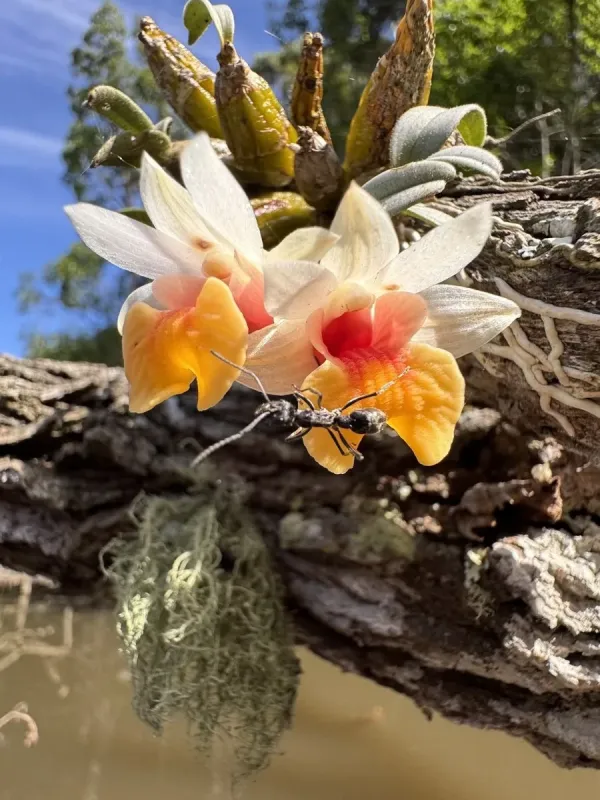
Description
Growing requirements
Dendrobium bellatulum is a miniature epiphytic orchid belonging to the Orchidaceae family. It is native to the mountain forests of Southeast Asia, specifically found in China, Myanmar, Thailand, and Vietnam, where it grows on tree branches.
To cultivate this species successfully, one must provide bright, indirect light throughout the year. Excessive direct sunlight can damage the leaves, while insufficient light levels will prevent the orchid from producing its characteristic flowers.
The plant thrives in cool to intermediate temperature ranges. It requires a significant difference between day and night temperatures, especially during the autumn months, to stimulate the development of flower buds.
High air humidity is essential for the healthy growth of this species. In a home environment, this is often achieved through the use of humidifiers or placing the plant in an area with good ventilation to prevent fungal issues.
The substrate must be very loose and well-aerated. Mounting the plant on cork or wood slabs is the preferred method of cultivation, as it mimics the natural habit of the species and ensures the roots dry out quickly after watering.
Main diseases and pests
The most significant threat to Dendrobium bellatulum is root rot caused by stagnant water in the root zone. Ensuring that the plant dries out between waterings is the primary strategy to prevent this lethal condition.
Common pests include spider mites, which thrive in low-humidity environments, and scale insects that can attach themselves to the stems and leaves. Regular visual inspections are necessary for early detection.
Mealybugs are another frequent pest, often congregating in leaf axils. If detected, mechanical removal followed by treatment with appropriate horticultural oils or systemic insecticides is recommended.
Fungal leaf spots can occur if water remains on the foliage for extended periods, especially in cool, still air. Improving airflow around the plant is the most effective preventive measure against these pathogens.
Integrated pest management should focus on providing optimal environmental conditions. A healthy, well-ventilated plant is significantly more resistant to both diseases and insect infestations.