
Dendrobium arunachalense
Dendrobium arunachalense
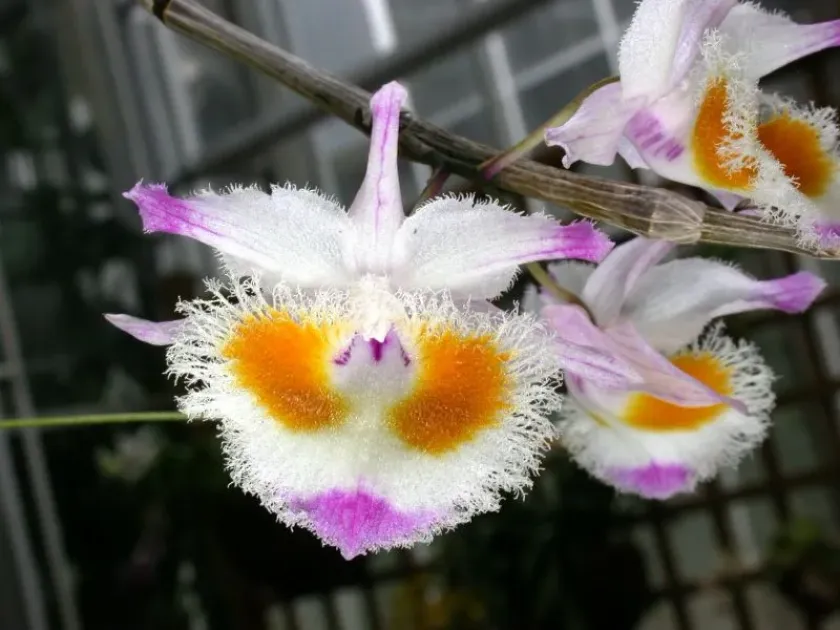
Description
Growing requirements
Dendrobium arunachalense is an epiphytic herbaceous plant belonging to the Orchidaceae family. This species is a relatively recent botanical discovery, named after the Indian state of Arunachal Pradesh, where it was first identified and documented by researchers in the forest ecosystems.
The natural range is restricted to the moist tropical montane forests of Northeastern India. As an epiphyte, the plant thrives in canopy habitats, attaching itself to tree trunks and branches where it accesses dappled sunlight and captures moisture directly from the humid forest atmosphere.
Its botanical structure is characterized by a sympodial growth habit, featuring distinct pseudobulbs. These structures are evolutionary adaptations designed to store water and nutrients, which enables the plant to survive in the fluctuating moisture levels of its high-altitude environment.
Cultivation requires specific environmental parameters, including high relative humidity (around 70–80%) and a well-draining substrate typically composed of pine bark. Proper airflow around the root system is essential to simulate the natural epiphytic conditions and prevent physiological stress.
The economic value of this species lies primarily in professional orchid breeding and the preservation of rare botanical specimens. It is highly sought after by collectors and botanical gardens that specialize in conserving the unique floral biodiversity of the Himalayan foothills.
Main diseases and pests
The primary threats in a cultivation setting include fungal pathogens such as Pythium and Phytophthora, which thrive in waterlogged, poorly aerated potting media.
Common pests that pose risks to this orchid include spider mites, mealybugs, and scale insects, which can cause significant damage to the foliage and succulent pseudobulbs if left unmanaged.