
Dendrobium aphyllum
Dendrobium aphyllum
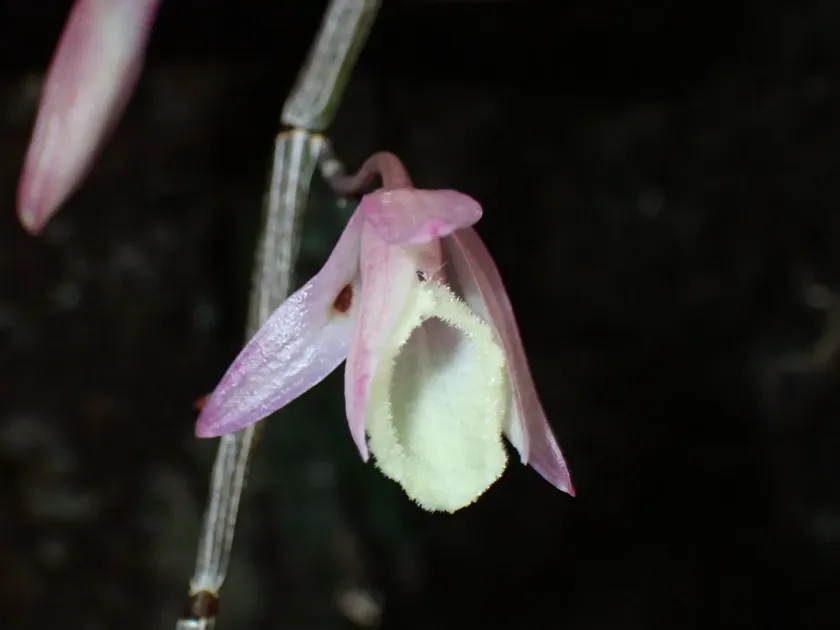
Description
Growing requirements
Dendrobium aphyllum, a member of the Orchidaceae family, is a fascinating epiphytic species native to the tropical forests of South and Southeast Asia, including India, Nepal, and China. Its natural habitat is characterized by high humidity and seasonal rainfall patterns.
The plant is known for its long, pendulous stems that lose their foliage as they mature, typically during the rest period. This unique botanical characteristic allows the orchid to produce a stunning display of pinkish-purple fragrant flowers directly from the nodes of the leafless canes in late winter and spring.
For successful cultivation, Dendrobium aphyllum requires bright, indirect light throughout the growing season to support vigorous cane development. In winter, increasing light intensity while dropping temperatures is critical to trigger the flowering mechanism and prevent vegetative overgrowth.
The choice of substrate is essential; a coarse mix consisting of pine bark, charcoal, and perlite provides the necessary drainage and aeration. Given its epiphytic nature, this orchid performs exceptionally well when mounted on cork slabs or tree fern bark, provided high humidity is maintained.
Watering requirements vary significantly throughout the year. During the active growth phase, keep the media consistently moist but not waterlogged. As autumn approaches, drastically reduce watering to initiate the dormancy period, which is essential for successful bloom induction.
Main diseases and pests
Root rot is the most common threat to Dendrobium aphyllum, almost always caused by improper drainage or cold, stagnant water remaining in the pot during the cooler months of the year.
Pests such as spider mites and scale insects frequently infest these orchids, particularly in dry indoor environments. These pests can rapidly weaken the canes by feeding on their sap, leading to reduced vigor and potentially fatal infections.
Fungal issues, including black rot or leaf spotting, are common if humidity is too high without adequate air circulation. Stagnant air allows moisture to sit on the stems, creating a breeding ground for pathogens.
Treatment should prioritize physical removal of pests followed by the application of appropriate systemic insecticides or fungicides. Maintaining good ventilation and hygiene around the growing area is the most effective preventive measure.
Regular monitoring of the canes is advised, especially during the transition from the growing season to the dormant phase, as this is when the plant is most susceptible to environmental stress and opportunistic infestations.