
Antelope Orchid
Dendrobium antennatum
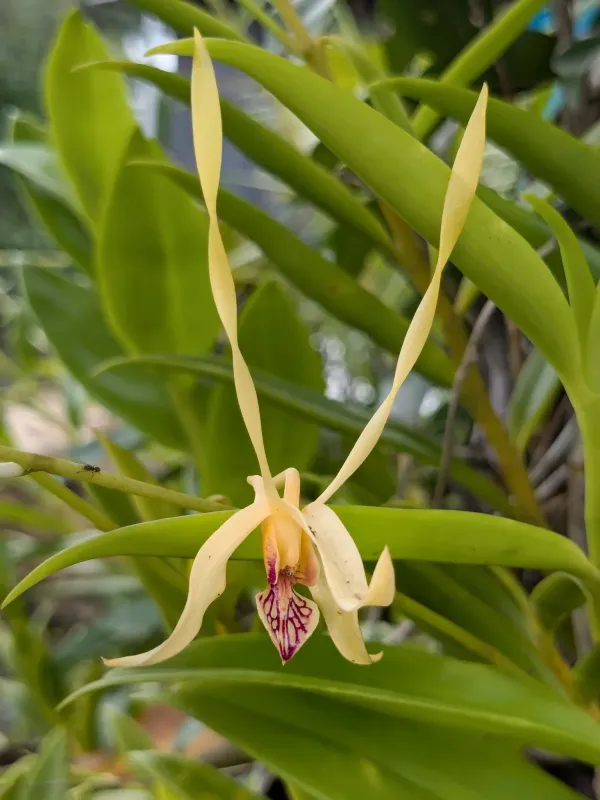
Description
Sowing dates
Propagation of the Antelope Orchid (Dendrobium antennatum) is primarily achieved through division of the pseudobulb clumps to ensure clonal identity.
This procedure is best performed immediately after the flowering period, when the plant initiates new growth from the base of existing canes.
Using a sterile blade is critical when dividing the plant to minimize the risk of pathogen transmission between the healthy pseudobulbs.
Each division must retain at least three mature canes to provide enough energy reserves for the plant to successfully establish a new root system.
Once divided, the plants are mounted on bark or placed in open, well-ventilated pots to facilitate rapid root anchoring and adaptation.
Growing requirements
As a member of the Orchidaceae family, this species thrives in tropical conditions characterized by high ambient humidity and warm temperatures.
The ideal temperature range is between 20°C and 28°C, with a necessary drop during the night to stimulate healthy metabolic processes and flowering.
Bright, filtered light is essential; direct sunlight must be avoided as it can scorch the long, slender pseudobulbs and reduce overall plant vigor.
The substrate must be coarse and airy, consisting of pine bark, perlite, and charcoal, which prevents root suffocation and promotes optimal drainage.
Regular fertilization with a balanced orchid-specific formula is required during the growing season to support the development of its unique antennae-like flowers.
Main diseases and pests
Common pests affecting this orchid species include spider mites, mealybugs, and scale insects, which often thrive in environments with low airflow.
Fungal rots are a significant risk, particularly if the base of the plant remains wet for too long, leading to tissue necrosis and plant collapse.
Integrated pest management, including regular monitoring and the use of targeted biological or chemical treatments, is essential for large-scale production.
Improving air circulation and ensuring the substrate dries slightly between waterings are the most effective preventive measures against diseases.
Isolation of newly introduced plants is a necessary practice to prevent the spread of hidden infestations to the rest of the orchid collection.
Harvesting
Commercial harvest involves selecting spikes that have reached the desired stage of anthesis, ensuring the blooms are fully developed for maximum longevity.
The spikes are cut at the base using sanitized floral shears to prevent damage to the parent plant and ensure a clean, fast-healing wound.
Immediate post-harvest cooling and hydration in a climate-controlled facility are crucial to preserve the delicate texture of the Antelope Orchid petals.
Quality control standards require inspection for any signs of pest damage or desiccation before the flowers are packaged for market distribution.
Proper packaging, including the use of moisture-retaining materials, ensures that the spikes reach their destination in peak condition for floral design use.