
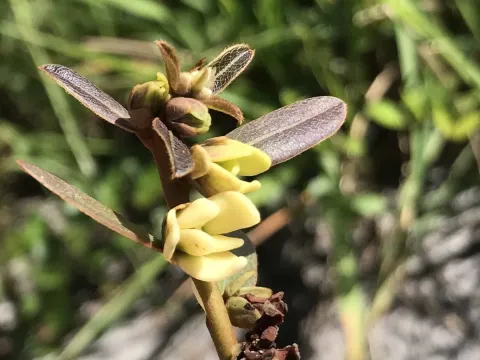
Deeringothamnus
Deeringothamnus
The genus Deeringothamnus, belonging to the Annonaceae family, consists of small shrubby plants. These species are highly specialized and naturally restricted to specific sandy habitats within Florida, USA.
What the section contains


Deeringothamnus
Regarding soil requirements, the plant thrives in well-drained, acidic sandy soils. It is highly sensitive to soil chemistry and relies on a specific symbiotic relationship with soil microbiota to maintain its health.
Botanically, these plants are known for their slow growth rate and unique flower structure, characteristic of the Annonaceae family. They typically do not exceed a few feet in height, making them distinct understory components.
Climatic conditions for successful development must remain within a narrow, mild temperature range. The species cannot survive in environments with severe frost or excessive, stagnant soil moisture during the dormant season.
Cultivation attempts are rare and generally limited to research or conservation efforts. Proper growth requires full consideration of the natural drainage patterns and the maintenance of the specific soil pH levels found in their native range.
The primary threat to the existence of Deeringothamnus is habitat loss due to land development. Fragmentation of natural areas limits the reproductive success and genetic diversity of these rare populations.
Fungal pathogens represent a significant threat to the root systems of the plants. In cases of over-watering or poor drainage, these plants become highly susceptible to decay, which is often irreversible.
Pest pressure from local insects can affect leaf health during the active growth period. Although not commercially cultivated, wild populations are often impacted by herbivory that hinders new shoot development.
Invasive plant competition is a critical issue. As the native landscape changes, non-native species often outcompete the slow-growing Deeringothamnus, leading to their gradual disappearance from specific sites.
Environmental stress caused by climate variability, particularly prolonged droughts, significantly impacts the health of the specimens. Effective conservation requires protecting the natural hydrology of their specific ecological niches.