
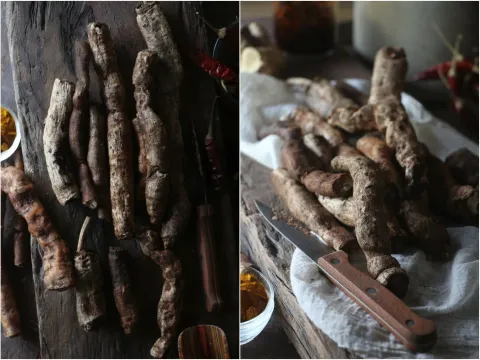
Decalepis
Decalepis
Decalepis propagation is typically achieved through seeds or vegetative division of the root system. Seeds are harvested from mature pods and should be sown in a well-drained, nutrient-rich potting medium to ensure successful germination.
What the section contains

Decalepis
The optimal sowing time follows the rainy season, when the soil maintains consistent warmth. Seeds require a delicate touch, as they are sensitive to deep burial; covering them with a light layer of soil is generally sufficient.
To enhance germination rates, seeds can be treated with growth promoters or soaked in water for several hours before planting. This process helps soften the seed coat and encourages faster development of the initial root system.
Vegetative propagation using root cuttings is often preferred in commercial settings for faster establishment. Selecting healthy, disease-free cuttings is crucial to maintaining the quality and vigor of the future crop.
Seedlings or cuttings should be transitioned to the field only after the danger of frost has passed, as young plants are highly susceptible to sudden environmental changes and cold temperatures.
Decalepis (Decalepis hamiltonii) is a member of the Apocynaceae family and is native to the rocky, arid regions of India. It thrives best in well-drained, sandy loam soils that prevent moisture stagnation.
The plant demands high sunlight exposure, which is vital for the development of aromatic compounds within its root system. Adequate solar radiation directly correlates with the concentration of essential oils in the mature roots.
While the plant is drought-tolerant, supplemental irrigation is necessary during the initial growth phases to establish a robust root network. Over-watering must be strictly avoided, as the roots are prone to rot.
The ideal temperature for active growth ranges between 20°C and 35°C. In regions with cooler climates, protecting the plant in greenhouses is necessary to prevent physiological damage and ensure continued development.
Soil fertility is important for productivity; thus, incorporating organic matter like aged compost is recommended. Maintaining a neutral soil pH provides the best environment for the uptake of necessary nutrients.
The economic yield of Decalepis is measured by the quality and weight of its tuberous roots. Typically, a harvest cycle spans 3 to 4 years, allowing the roots to mature and accumulate the desired phytochemicals.
Yield efficiency is significantly improved through consistent weed management and regular soil aeration. By ensuring that the plant does not compete with weeds for resources, the roots can reach their maximum potential size.
Proper field planning, including optimized plant density, helps achieve a yield of several tons per hectare. Monitoring the plants during their growth cycle allows for corrective fertilization if nitrogen or potassium deficiencies are noted.
Harvesting techniques that avoid mechanical injury to the roots are paramount. Damaged roots are more susceptible to post-harvest pathogens and may lose their essential oils more quickly during the drying stage.
Processing the yield involves careful cleaning and sorting. High-quality roots are characterized by a firm texture and a distinct aroma, which are the primary indicators for commercial grading and market pricing.
The most common threats to Decalepis cultivation are soil-borne fungal diseases, often exacerbated by poor drainage and excessive humidity. Root rot can be devastating to a plantation if not caught early.
Pests such as aphids and spider mites frequently attack the foliage, especially during hot and dry spells. These pests weaken the plant's overall health and can eventually reduce the root growth rate.
Larvae of soil-dwelling insects can cause direct damage to the root system. Implementing integrated pest management (IPM) practices, such as using beneficial insects, is a sustainable way to control these threats.
Maintaining a balanced ecosystem through crop rotation helps reduce the pressure from soil pathogens. Avoiding monoculture planting over long periods in the same field contributes significantly to healthier crop cycles.
Regular monitoring of field conditions and quick removal of infected plants can stop the spread of localized disease. Good hygiene practices, such as sterilizing tools, are also important for maintaining a healthy plantation.
The harvest phase is critical for preserving the medicinal properties of Decalepis. Roots should be dug up during the plant's dormant period, as this is when the concentration of beneficial compounds is highest.
Digging tools should be handled with care to ensure the entire root system is extracted without breaking the smaller, nutrient-rich lateral roots. Breaking the root surface can lead to rapid oxidation and loss of quality.
Once harvested, the roots are thoroughly cleaned using gentle methods to remove all soil residues. It is important not to scrub the roots too harshly, as the outer layer contains significant concentrations of essential oils.
Drying is a slow process that requires a shaded, well-ventilated environment. Temperatures should be kept low to prevent the volatile aromatic compounds from evaporating, ensuring the final product maintains its potency.
Storage should be conducted in airtight, cool, and dry conditions. Proper packaging protects the roots from humidity, insects, and light, allowing the product to maintain its commercial value for extended periods.