
Dasylirion wheeleri
Dasylirion wheeleri
Description
Growing requirements
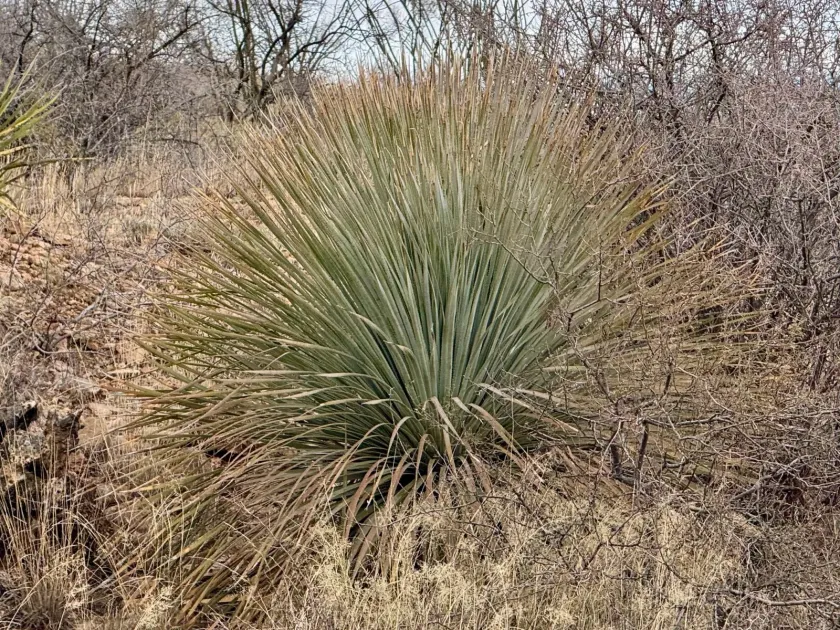
Dasylirion wheeleri, commonly known as Desert Spoon, is a notable species within the Asparagaceae family, native to the arid desert landscapes of Northern Mexico and the Southwestern United States. This plant is a quintessential xerophyte, adapted to harsh, high-temperature environments with irregular rainfall patterns.
Botanically, it features a thick, woody stem topped with a dense rosette of long, flexible, blue-green leaves that typically exhibit serrated edges. Its growth habit is slow, contributing to its status as a long-lived landscape and horticultural asset, valued for its architectural silhouette.
For successful cultivation, the agrotechnical focus must remain on soil porosity and drainage. It requires a rocky or sandy substrate that prevents moisture accumulation around the basal region. Standard nursery practices involve minimal irrigation, ensuring the growing medium dries out completely between watering sessions.
In terms of climate requirements, the species exhibits remarkable tolerance to extreme solar radiation and heat. While it can survive freezing temperatures, it is most vulnerable when winter moisture is combined with cold, which drastically increases the risk of root rot and tissue damage.
Economic and agricultural utility is primarily focused on the horticultural industry and low-water landscape design. Additionally, the plant has a history of utilization in artisanal fiber production, as the durable leaves can be processed for basketry, mats, and other woven goods.
Main diseases and pests
The primary threats to Dasylirion wheeleri are fungal pathogens, specifically those causing root and crown rot due to improper irrigation management. Growers must maintain rigorous drainage protocols, as stagnant water is the most common cause of crop loss in professional nursery settings.
Regarding pest pressure, the plant is susceptible to various sucking insects, including scale insects and mealybugs that congregate at the leaf bases. Effective monitoring and the application of systemic or contact insecticides are necessary to maintain plant vigor and prevent secondary infestations.