
Dasylirion berlandieri
Dasylirion berlandieri
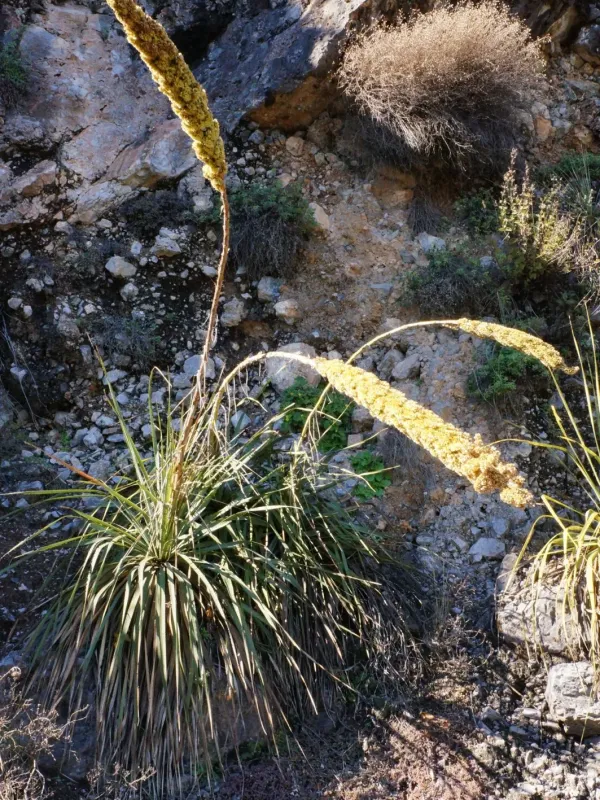
Description
Growing requirements
Dasylirion berlandieri belongs to the Asparagaceae family, known for its rosette of long, leathery, and serrated leaves. This succulent plant typically develops a short, sturdy trunk as it matures, making it a distinctive ornamental specimen.
Native to the arid regions of northeastern Mexico and Texas, this species thrives in environments characterized by long periods of drought and intense solar radiation. It is highly adapted to nutrient-poor, rocky, and well-draining soils.
To cultivate Dasylirion berlandieri successfully, it requires full sun exposure. Even a slight lack of sunlight will cause the leaves to stretch and lose their characteristic stiff, arching form, negatively impacting the plant's structural integrity.
The substrate must be extremely porous. A mixture of gravel, coarse sand, and a small amount of inorganic soil is ideal. It is crucial to ensure that water drains away from the root zone immediately to prevent physiological stress.
Regarding climate, the plant prefers warm days and cooler nights. While it possesses some cold tolerance, it must be kept dry during winter months to avoid damage to the crown, which is the most sensitive part of the plant.
Main diseases and pests
Root rot is the most common threat, usually triggered by improper watering practices or poorly draining soil. If the soil remains saturated for too long, the root system begins to decay, often leading to irreversible damage.
Pests such as mealybugs and scale insects are known to infest the base of the leaves. Because the leaves are densely packed, these pests can be difficult to spot until the infestation is significant, requiring careful inspection.
Spider mites may occasionally appear in very dry and stagnant air environments. While they rarely kill the plant, they can cause yellowing and unsightly spots on the foliage, reducing its ornamental value.
Fungal leaf spot can occur if water sits in the center of the rosette. It is essential to water the plant at the soil level rather than over the crown, especially in humid or temperate climates.
Prevention is the best management strategy for Dasylirion berlandieri. Maintaining optimal airflow and strictly controlling moisture levels usually prevent most diseases and infestations before they require intensive intervention.