
Dasylirion longissimum
Dasylirion longissimum
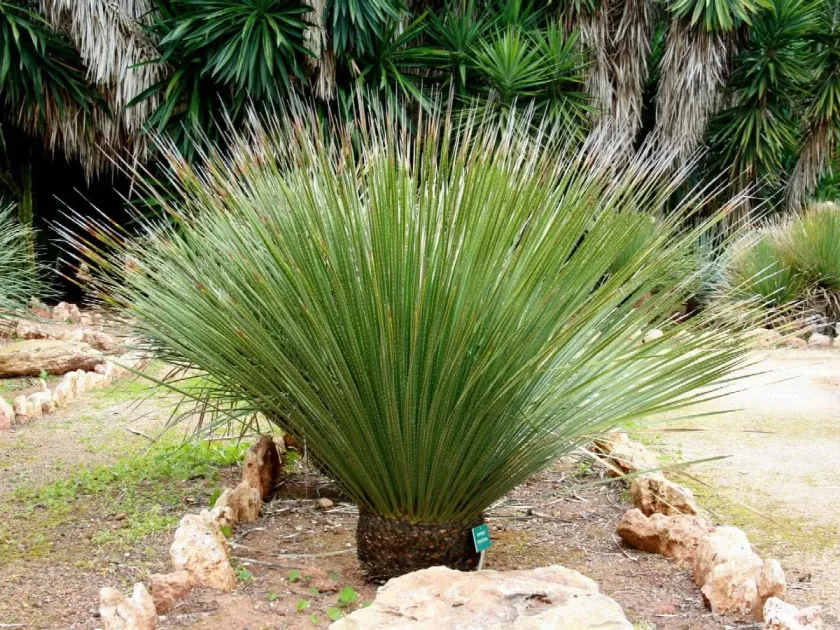
Description
Sowing dates
Propagation of Dasylirion longissimum is primarily achieved through seeds. The best time for sowing is during early spring when temperatures stabilize and provide ideal conditions for consistent germination.
Use a well-draining substrate for sowing, such as a mix of coarse sand, perlite, and a small amount of potting soil. Seeds should be sown at a depth of 0.5 to 1 cm, ensuring moisture is maintained without creating waterlogged conditions.
Germination typically occurs at temperatures between 20°C and 25°C. Since the process can be slow and irregular, providing proper air circulation is essential to prevent fungal growth on the soil surface.
Once seedlings develop their first true leaves, they should be transplanted into individual containers. Young plants require careful handling to avoid damaging their delicate root systems during the transition.
Hardening off the seedlings is a crucial step before moving them to a permanent location. Gradually acclimating them to direct sunlight and fluctuating temperatures ensures they become robust enough for environmental challenges.
Growing requirements
Dasylirion longissimum, belonging to the Asparagaceae family, is a highly drought-tolerant desert plant. It thrives in locations with full sun exposure, which is necessary for maintaining its distinct architectural form.
Soil requirements are strict: the plant demands excellent drainage. Sandy or rocky soils with neutral to slightly alkaline pH are ideal, as they prevent the water stagnation that can quickly lead to crown rot.
Watering should be very limited. During the active growing season, light irrigation is beneficial, but during the dormant winter months, it is safer to keep the soil dry to protect the root system from freezing and rotting.
The plant is hardy in mild climates and can withstand short-lived temperatures down to -7°C. In regions with harsher winters, protection or cultivation in portable containers is recommended.
Maintenance includes removing dead, lower leaves periodically. This keeps the trunk clean and improves air circulation, which is vital for preventing the accumulation of humidity around the core of the plant.
Yield
The primary use of Dasylirion longissimum is ornamental, making it a staple in xeriscaping and desert-style landscape design. It is not grown for food or fiber, but for its significant aesthetic value.
Its visual appeal comes from its dense, fountain-like rosette of long, thin, flexible leaves that create a dramatic silhouette in any garden. It is highly valued for its slow growth and low maintenance requirements.
Commercial nurseries produce these plants for upscale landscaping projects. The demand for mature specimens remains high among garden designers who seek architectural plants that add a structural element to outdoor spaces.
Blooming is an infrequent event that showcases the plant's maturity. The tall, spectacular flower stalk can reach several meters in height, becoming the centerpiece of the landscape when it eventually appears.
Economic value is tied to the age and size of the specimen. As a slow-growing plant, larger individuals are considered premium landscape assets, justifying the long-term investment in their cultivation.
Main diseases and pests
The main threat to the health of the plant is fungal disease triggered by excessive moisture. Root rot is the most common issue, often caused by overwatering or soil that does not drain sufficiently.
Pests such as scale insects and mealybugs can infest the leaf bases. Regular inspections are necessary to identify these pests early and apply systemic insecticides before they cause significant damage.
Deep planting is a major cultural mistake that leads to disease. The crown of the plant must remain above the soil level, and the base should be kept dry to ensure it can breathe effectively.
In greenhouse settings, spider mites can become an issue if the humidity is kept too low. Providing adequate ventilation and monitoring the plant during dry periods is essential for maintaining health.
Mechanical damage to the roots during transplantation can also invite pathogens. Great care must be taken when moving established plants to minimize stress and prevent entry points for infections.
Harvesting
Harvesting in this context refers to the excavation and transport of mature plants. Due to their size and weight, professional equipment is often required to move these specimens safely.
Preparation begins by reducing water intake weeks before the move. This helps the plant develop a tighter, more cohesive root ball, making it easier to lift and relocate with minimal root loss.
The foliage should be carefully tied together to protect the fragile leaf tips during transport. This also provides better access to the base of the plant for lifting equipment or manual handling.
Maintaining the same orientation relative to the sun after transplanting can significantly speed up the plant's recovery. This is a common practice used by landscape professionals to reduce transplant shock.
Post-transplant care involves ensuring the plant is secured against wind and providing minimal water until it re-establishes its root system. A slow recovery period is normal for this species.