
Dasylirion acrotrichum
Dasylirion acrotrichum
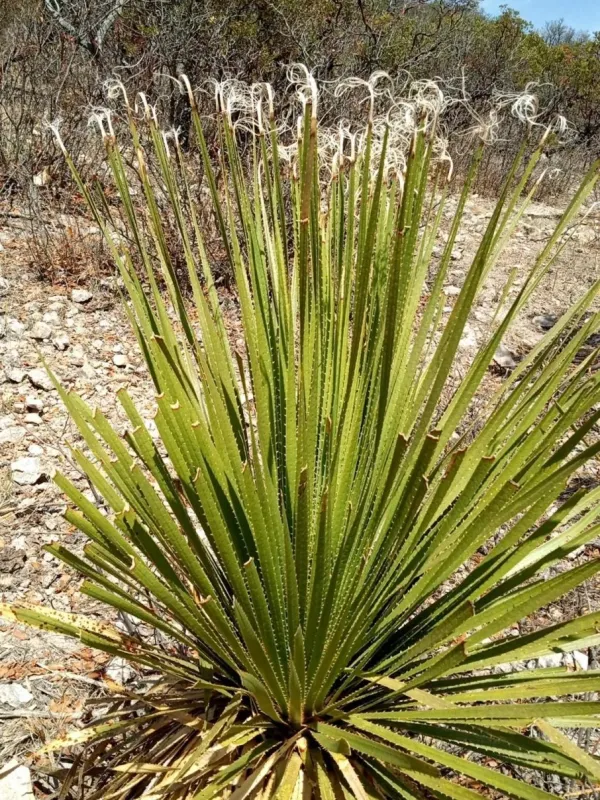
Description
Sowing dates
Dasylirion acrotrichum, commonly known as the desert spoon, is a distinct plant species belonging to the Asparagaceae family, characterized by its rosettes of thin, fibrous leaves.
Propagation is primarily achieved through seeds, which require a well-draining, sandy substrate to prevent the dampening off of young seedlings in their early growth stages.
Optimal germination occurs when temperatures are maintained between 20 and 25 degrees Celsius, with seeds sown just below the surface of the soil medium.
The species grows very slowly, often requiring several months of consistent care before the first true leaves emerge from the central growth point.
Due to its slow development rate, commercial growers often opt for starting seeds in nursery trays under controlled glasshouse environments before transplanting to larger containers.
Growing requirements
This species is native to the arid highlands of Mexico and is perfectly adapted to intense direct sunlight, making it ideal for xeriscaping projects.
The soil must have exceptional drainage properties; heavy clay soils should be amended with grit, pumice, or sand to ensure that moisture does not linger around the roots.
While the plant is highly drought-tolerant once established, it benefits from supplemental water during the peak summer heat to maintain leaf turgidity and vigor.
It thrives in neutral to slightly alkaline soil environments and does not require frequent heavy fertilization, as it is evolved to survive in nutrient-poor desert soils.
Proper air circulation is critical for the health of the plant, especially in humid regions, to prevent the accumulation of moisture within the dense leaf bases.
Yield
Dasylirion acrotrichum is mainly utilized in ornamental horticulture, where it serves as a dramatic architectural specimen for arid-climate landscapes and rock gardens.
The fibrous nature of the foliage has historical significance in indigenous cultures, where it was processed to create cordage, ropes, and woven baskets.
In addition to its aesthetic value, it acts as a significant nectar source for local pollinators during its infrequent but spectacular flowering cycles in the wild.
As a sustainable landscaping choice, its ability to thrive with minimal water inputs makes it a valuable asset for municipal projects in water-scarce regions.
Cultivation of this plant for the wholesale nursery trade is a viable agricultural niche, given the rising demand for hardy, low-maintenance desert plants.
Main diseases and pests
The primary threat to the health of Dasylirion acrotrichum is root rot, which is almost always the result of overwatering or inadequate soil drainage in containers.
Pests such as mealybugs and scale insects often find refuge in the narrow spaces between the leaf bases, necessitating periodic inspection and manual removal.
High humidity combined with poor airflow can lead to fungal infections, which manifest as dark spotting on the leaves and can compromise the integrity of the core.
Excessive use of nitrogen-heavy fertilizers is counterproductive, as it encourages soft, succulent growth that is more susceptible to frost damage and physical collapse.
To maintain plant health, it is recommended to apply preventative systemic insecticides or fungicides specifically during the early stages of the growing season.