
Dasylirion quadrangulatum
Dasylirion quadrangulatum
Description
Growing requirements
Dasylirion quadrangulatum, commonly known as the desert spoon, is a unique perennial succulent belonging to the Asparagaceae family. This species is native to the arid mountains of northeastern Mexico, where it thrives in harsh, rocky conditions.
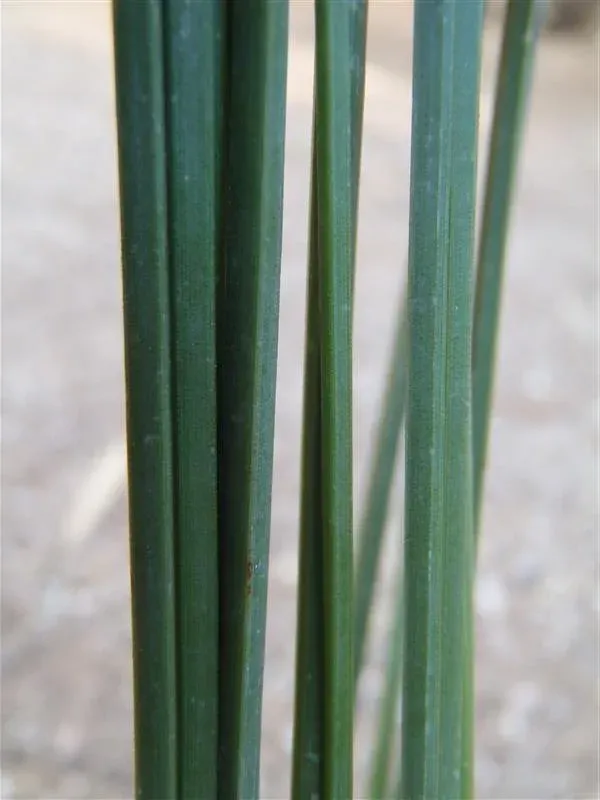
The plant is characterized by its woody trunk, which supports a dense, spherical rosette of rigid, four-angled leaves. It is a slow-growing specimen that creates a striking architectural feature in dry gardens.
For successful cultivation, full sun exposure is non-negotiable. Dasylirion quadrangulatum requires at least six to eight hours of direct sunlight daily to maintain its compact, symmetrical form and structural integrity.
The soil must be extremely well-draining, such as sandy or gravelly loam. Since the plant is adapted to nutrient-poor volcanic soils, fertilization should be minimal or unnecessary in most landscape settings.
Watering requirements are very low. Once established, the plant is highly drought-tolerant, surviving long periods without rain. During the growing season, a deep watering every few weeks is sufficient to sustain its metabolic processes.
Main diseases and pests
The primary threat to Dasylirion quadrangulatum is fungal infection, specifically root rot, induced by excess moisture. Standing water around the roots or in the center of the rosette can be lethal to the plant.
Pests like mealybugs and scale insects may hide in the protected spaces between the leaf bases. They draw sap from the plant, causing stunted growth and leaving the plant prone to secondary infections.
Preventative maintenance includes keeping the base of the plant free from decaying leaf litter. This improves air circulation and discourages both insects and fungal growth from taking hold.
During winter months in temperate climates, protection from freezing humidity is necessary. Cold-hardy varieties can handle light frost, but damp cold is significantly more dangerous than dry, freezing temperatures.
If an infestation occurs, manual removal of insects followed by a gentle systemic insecticide application is recommended. It is vital to ensure the center of the plant is kept dry after any remedial treatment.