
Dasylirion glaucophyllum
Dasylirion glaucophyllum
Description
Growing requirements
Dasylirion glaucophyllum, commonly known as a type of sotol, belongs to the Asparagaceae family. It is a slow-growing, perennial succulent native to the semi-arid regions of Mexico, where it thrives in rocky, well-draining soils.
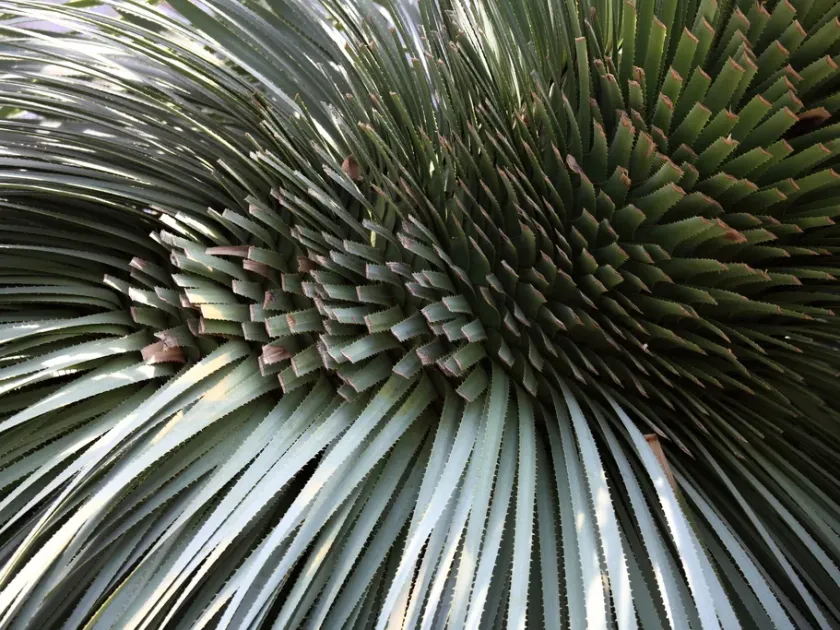
The plant features a distinct woody caudex, or trunk, which supports a large, dense rosette of glaucous, linear leaves. These leaves are typically edged with small teeth, providing a robust defense mechanism against herbivores in its natural desert environment.
Agricultural requirements for this species include high solar irradiance and minimal precipitation. It is an ideal candidate for xeriscaping, requiring very little supplemental watering once established, as it is physiologically adapted to extreme water scarcity.
The soil profile must be extremely porous. In horticultural practice, a mix of mineral grit, pumice, and loam is recommended. Any soil that tends to retain water or pack tightly will inevitably lead to the loss of the root system due to asphyxiation.
Temperature management is crucial: while the plant displays some cold hardiness, it requires protection from prolonged freezing temperatures and excessive winter dampness. Proper placement in a location with high air circulation helps mitigate these environmental stressors.
Main diseases and pests
The most significant threat to Dasylirion glaucophyllum is fungal crown rot, often triggered by poor drainage or overhead watering that allows moisture to collect in the heart of the rosette. Once the center begins to rot, the plant is typically unsalvageable.
Common pests include mealybugs, which congregate at the base of the leaves where they are shielded from physical removal. Their feeding weakens the plant and leaves it susceptible to secondary viral or bacterial infections.
Spider mites are another frequent nuisance, particularly in protected environments like greenhouses. They thrive in dry, stagnant air conditions and can cause extensive discoloration and tissue death on the leaves if not treated promptly.
Scale insects can also infest the woody trunk, feeding on the vascular system. Regular monitoring and the application of horticultural oils or systemic insecticides are recommended to maintain plant health throughout the growing season.
Integrated pest management protocols emphasize the importance of hygiene, such as removing dead, dried lower leaves to improve airflow and reduce the organic debris where pests might hide or fungal spores might persist.