
Dasylirion serratifolium
Dasylirion serratifolium
Description
Sowing dates
Propagation of Dasylirion serratifolium is primarily achieved through seeds. Sowing should occur in the spring using a porous, well-draining substrate composed of coarse sand and a small amount of peat or loamy soil.
Seeds require a soaking period before being planted in trays. Maintaining a consistent temperature between 20 and 25 degrees Celsius is crucial to achieving a high germination rate for this species.
Seedlings need bright, indirect light to develop properly. Avoid direct intense sun immediately after germination, as tender sprouts can easily dehydrate or suffer from leaf scorch in extremely dry environments.
Transplanting should be handled with extreme care to avoid disturbing the root system. Use deep pots with large drainage holes, as the young plants are highly susceptible to root rot if the moisture level is not managed correctly.
This is a slow-growing culture that requires patience. Over the first few years, the plants will focus energy on developing their woody stem and extensive root network before showing significant visible growth.
Growing requirements
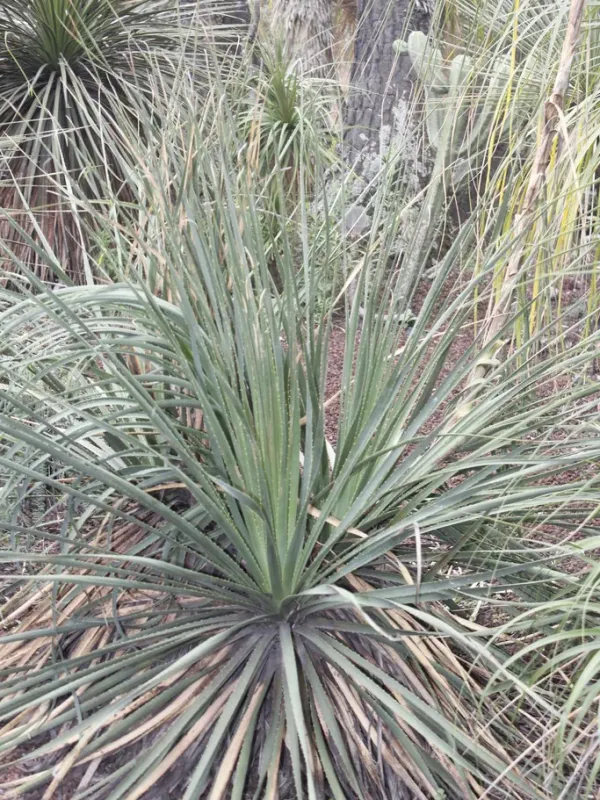
Dasylirion serratifolium is a member of the Asparagaceae family, native to the arid mountainous regions of Mexico. It is characterized by a short, sturdy trunk and a large, dense rosette of serrated, linear leaves.
The plant thrives in full sun and requires well-aerated, rocky, or sandy soil. It is exceptionally drought-tolerant once established, making it a perfect candidate for xeriscaping and sustainable water-wise gardening.
Watering management is the most critical aspect of agrotechnical care. The soil must be allowed to dry out completely between waterings, as standing water is the primary cause of failure for this species.
Regarding climate, it prefers warm to mild conditions. While it can withstand occasional light frost in dry conditions, it is not suited for areas with prolonged, wet, and freezing winters, which often lead to tissue damage.
Good ventilation is essential, especially when grown in containers or greenhouses. Proper airflow helps prevent the accumulation of moisture within the center of the leaf rosette, which can lead to fungal infections.
Main diseases and pests
The most significant threat to Dasylirion serratifolium is fungal root rot, caused by poor drainage or overwatering. Once a specimen is infected, recovery is difficult, making prevention the best strategy.
Pests such as mealybugs and spider mites can occasionally affect the plant, particularly in confined spaces with poor air circulation. Regular inspection of the leaf axils is recommended to spot infestations early.
Systemic insecticides can be used to treat infestations, but horticultural oils or alcohol-based solutions are often safer for the foliage. Always ensure the plant is in a healthy, well-ventilated environment to minimize pest vulnerability.
Fungal leaf spot diseases can occur if the foliage remains wet for extended periods. Applying a broad-spectrum fungicide can help, but primarily, the grower should focus on adjusting the watering frequency to resolve the core issue.
Soil quality is paramount; ensure that the potting mix is sterile and free of pathogens. Using recycled garden soil without sterilization can introduce harmful fungi that may quickly destroy the delicate root system of the plant.
Harvesting
Dasylirion serratifolium is primarily used for its aesthetic value in landscape design. There is no traditional harvest in the agricultural sense, but pruning is a necessary maintenance task for healthy growth.
Maintenance pruning involves removing dead or withered leaves from the base of the rosette. Due to the sharp, saw-like teeth on the edges of the leaves, heavy-duty gloves and long sleeves must be worn to prevent injuries.
In certain traditional contexts, leaves of similar species were harvested for fiber production, though this is not a common commercial practice for this specific ornamental variety. If harvesting is done, care must be taken to protect the central growing point.
To keep the plant looking its best, flower stalks should be removed once they have withered unless seeds are required for further propagation. This prevents the plant from wasting energy on seed production.
Maintaining the structural integrity of the plant ensures it remains an architectural focal point in a garden. Consistent care allows the specimen to live for many decades, often increasing in value as it matures.