
Smooth-leaf sotol
Dasylirion leiophyllum
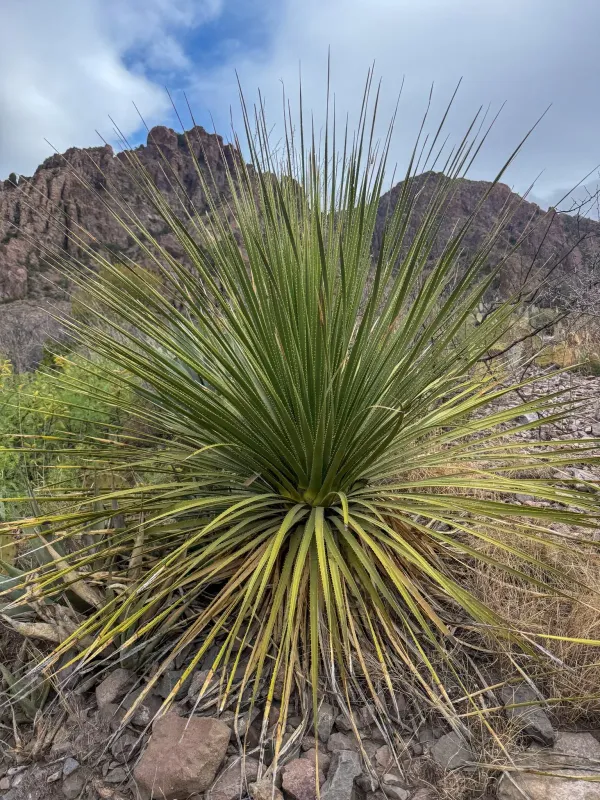
Description
Sowing dates
Propagation of Dasylirion leiophyllum is typically achieved through seeds, which are sown in the spring. A well-drained, sandy substrate is essential to mimic the plant's natural arid habitat and ensure successful germination.
The seeds should be sown thinly and covered lightly with a layer of grit or sand. Maintaining a consistent temperature between 20°C and 25°C is crucial for the germination process, which usually spans several weeks.
Once the seedlings develop, it is vital to provide them with ample sunlight to prevent etiolation. Watering must be sparse, allowing the soil to dry out almost completely between applications to prevent damping-off disease.
Seedlings grow at a slow pace, often taking several months to develop a strong root system before they are ready for transplanting into individual pots. Patience is required throughout the early stages of development.
For best results, use fresh seeds with high viability. Storing seeds in a cool, dry place until the optimal sowing time in spring ensures the highest possible success rate for propagation efforts.
Growing requirements
Dasylirion leiophyllum belongs to the Asparagaceae family and is native to the desert regions of the southwestern United States and northern Mexico. It is highly adapted to intense heat and prolonged drought conditions.
The plant thrives in rocky, gravelly, or sandy soils that provide perfect drainage. Heavy or clay-based soils should be avoided, as they retain too much moisture and often lead to root rot in these succulent species.
Full sun is a non-negotiable requirement for this species. Without direct exposure to sunlight, the plant loses its structural integrity and becomes susceptible to various stressors, including weaker growth and leaf discoloration.
While the plant is hardy and can withstand occasional freezes down to -10°C, it performs best in environments where winter moisture is kept to a minimum. Cold combined with high humidity is the greatest threat to its survival.
In terms of agricultural maintenance, Dasylirion leiophyllum requires minimal watering once established. Its ability to store water within its foliage makes it an ideal candidate for low-water landscaping and xeriscaping.
Main diseases and pests
Root rot is the most significant threat to the health of the smooth-leaf sotol. This condition is almost exclusively caused by overwatering or soil that fails to drain quickly after rainfall or irrigation.
Pests like spider mites and mealybugs can infest the plant, particularly in greenhouses or protected environments with poor airflow. These insects can be controlled through regular inspections and the application of suitable acaricides or insecticidal soaps.
Fungal leaf spot may occur if the plant is grown in areas with poor ventilation and high humidity. Improving air circulation around the rosette of leaves is the best preventive measure against these pathogens.
Mechanical damage to the leaves can also create entry points for opportunistic infections. Care should be taken during maintenance to avoid cutting or bruising the foliage, especially during the wetter months of the year.
Effective monitoring involves checking the base of the plant for any signs of softness or discoloration. Detecting issues early is often the only way to save an infected plant, as once rot reaches the core, the damage is usually irreversible.
Harvesting
The primary economic use of Dasylirion leiophyllum is in the horticultural trade, where it is highly valued for its striking architectural form. It serves as an excellent focal point in arid-themed gardens and rock landscapes.
Seed harvesting is a standard procedure for nurseries involved in plant propagation. Mature inflorescences are collected in the autumn after the flowers have faded and the fruit has dried thoroughly on the stalk.
Historically, the leaves of this plant were harvested for their tough, fibrous material. Indigenous peoples used these fibers for weaving baskets, ropes, and other utilitarian items, showcasing the plant's structural strength.
Commercial landscaping demands high-quality, pest-free specimens. Maintaining a consistent supply of healthy container-grown sotols involves periodic fertilization during the growing season and careful sanitation practices.
While the plant is not a primary food crop, its nectar-rich flowers are ecologically important, supporting local pollinator populations, which indirectly benefits the overall biodiversity of the agricultural ecosystem in which it is grown.