
Dasylirion cedrosanum
Dasylirion cedrosanum
Description
Growing requirements
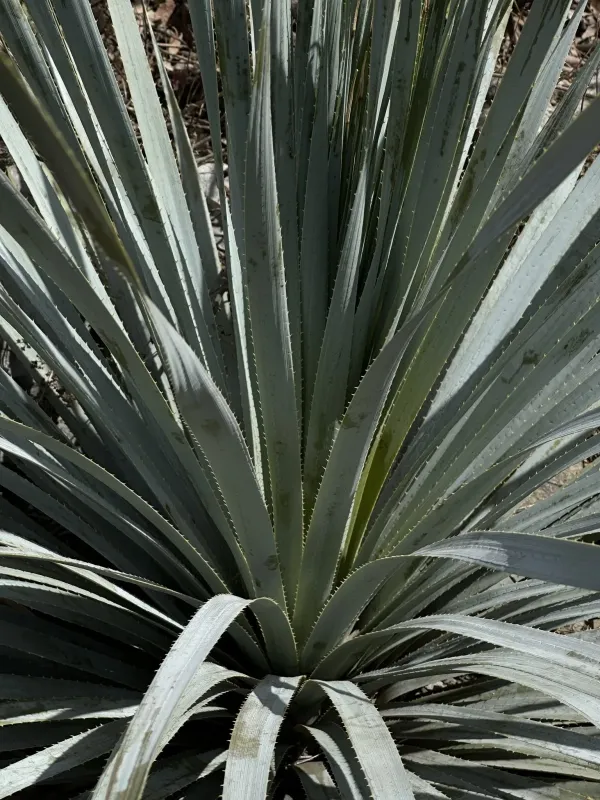
Dasylirion cedrosanum is a perennial succulent plant belonging to the Asparagaceae family. It is characterized by its large, dense rosette of long, strap-like leaves that originate from a thick, woody stem, creating a striking architectural appearance in arid landscapes.
The plant is native to the desert regions of northern Mexico, specifically the Chihuahuan Desert. Its natural habitat consists of rocky slopes and plateaus, which has equipped the species with high tolerance to intense heat, direct sunlight, and prolonged periods of drought.
To cultivate this species successfully, it requires full sun exposure for the majority of the day. Providing inadequate light will cause the foliage to lose its rigid structure and the rosette to become sparse, which significantly diminishes the aesthetic value of the plant.
Soil composition should strictly favor well-draining, coarse-textured mediums. Incorporating gravel or volcanic rock into the soil helps mimic the natural environment and ensures that water does not accumulate around the base, which is crucial for preventing root rot.
In terms of climate, Dasylirion cedrosanum is relatively hardy but prefers dry conditions. While it can handle occasional light frosts, it is not well-suited for high-humidity environments, which can disrupt its physiological processes and impede overall development.
Main diseases and pests
Root rot is the most significant threat to the health of this culture. It is almost always a result of poor soil drainage or excessive irrigation frequency, which causes moisture to sit around the root system for extended periods during dormant phases.
Pests such as mealybugs and scale insects may infest the plant, particularly hiding within the dense leaf bases. If left unchecked, these pests can sap the plant's vigor and create pathways for secondary fungal infections that damage the leaf tissue.
Fungal leaf spot diseases may develop if the plant is kept in an environment with poor air circulation and high ambient humidity. Ensuring the plant is situated in an open area with good natural airflow is the most effective preventative measure against these infections.
Physical damage caused by improper handling or maintenance tools can compromise the plant's outer layer, allowing pathogens to enter. Because the leaves have sharp, serrated margins, careful handling is necessary to maintain both the plant's integrity and the safety of the grower.
Regular monitoring of the soil moisture levels and the overall appearance of the foliage is essential. If any signs of discoloration or wilting appear, the irrigation schedule should be immediately re-evaluated to ensure the plant is being kept sufficiently dry.