
Texas sotol
Dasylirion texanum
Description
Growing requirements
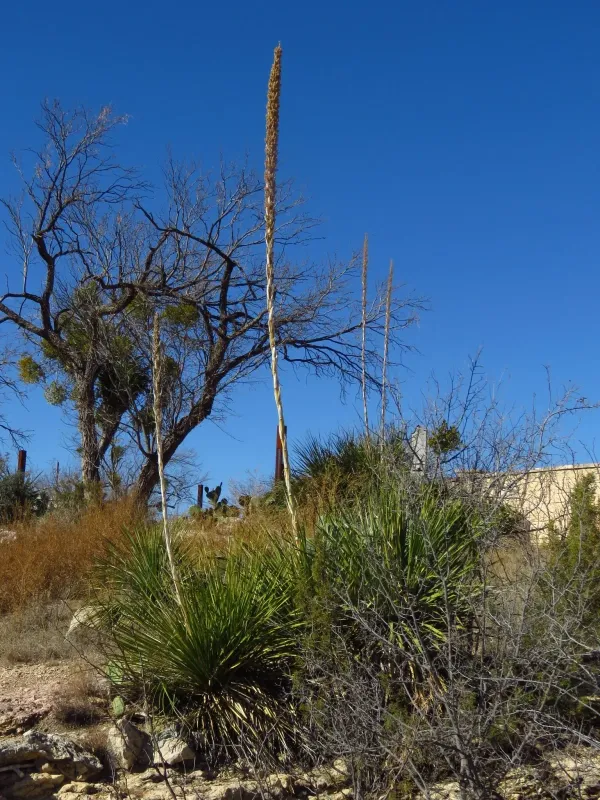
Texas sotol (Dasylirion texanum) is a perennial succulent belonging to the Asparagaceae family. This species is highly valued for its structural beauty and remarkable endurance in arid climates, where it serves as a staple for xeriscaping.
Native to the southwestern United States, particularly Texas, and parts of Mexico, this plant thrives in rocky, limestone-rich terrains. Its biological architecture, featuring a dense rosette of sharp-edged leaves, is a classic adaptation to intense heat and drought.
The primary requirement for successful cultivation is exceptional soil drainage. The plant naturally grows on slopes where water does not linger, so gardeners must replicate these conditions using sandy or gravelly substrates to prevent root mortality.
Full sun exposure is essential for the development of healthy, rigid foliage. While it can survive in partial shade, the plant will lose its compact shape and drought-resistant properties, becoming more susceptible to pathogens and structural collapse.
Maintenance is minimal once the plant is established. Supplemental irrigation should only be provided during extreme droughts, and fertilization should be kept to a bare minimum, as excess nutrients can lead to weak, rapid growth that attracts pests.
Main diseases and pests
Root rot is the most common cause of failure in Texas sotol. This condition is almost exclusively linked to overwatering or poor soil permeability. Managing the water cycle is the single most important action for ensuring the plant's long-term health.
Scale insects are frequent pests that hide within the dense leaf bases. If left unchecked, these sap-sucking insects can significantly weaken the plant, making it more prone to secondary infections and environmental stress.
Mealybugs can also infest the succulent tissue, particularly when the plant is grown in greenhouse settings or areas with poor air circulation. Regular application of horticultural oils or systemic insecticides can help manage these outbreaks effectively.
Fungal leaf spot diseases can occur during prolonged periods of high humidity. To prevent these infections, it is critical to ensure proper spacing between individual plants and to avoid overhead watering that leaves moisture trapped in the rosette.
Finally, improper pruning of dead foliage can create entry points for pathogens. Using sterilized tools for maintenance and ensuring that wounds are kept dry will significantly reduce the risk of infection and maintain the vigor of the culture.