
Daphne whiteorum
Daphne x whiteorum C. D. Brickell
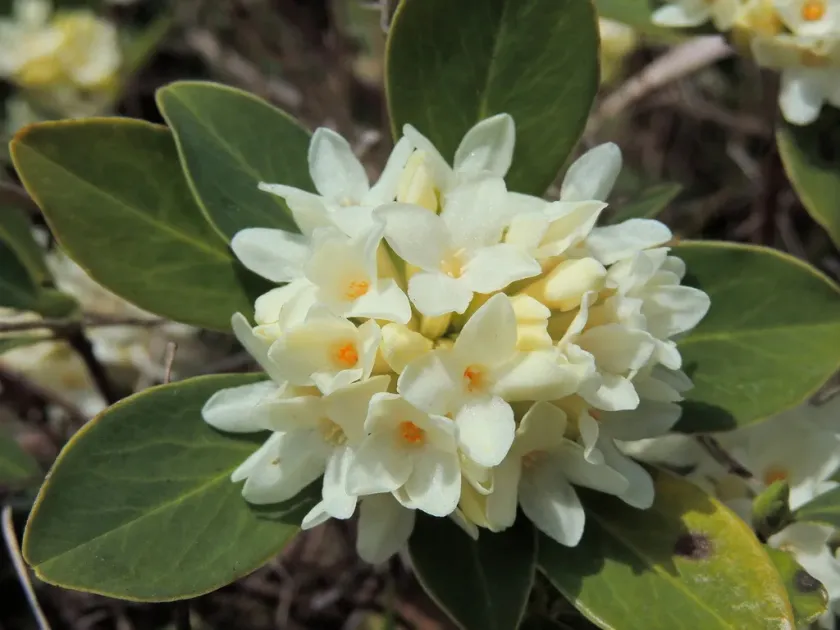
Description
Growing requirements
Daphne x whiteorum is a refined hybrid shrub belonging to the Thymelaeaceae family. It is a botanical selection highly valued by horticulturists for its delicate, fragrant flowers and compact growth habit, making it an excellent candidate for specialized rock gardens and small landscapes.
The plant thrives in cool, temperate climates and requires a sheltered location with partial shade to protect it from harsh direct sunlight. Its natural growth characteristics suggest a preference for environments that mimic mountain foothills, where atmospheric moisture is relatively high.
Optimal soil conditions are paramount for the health of this species. The soil must be well-drained, porous, and neutral to slightly acidic. Heavy clay soils are unsuitable and require significant amendment with gravel or coarse sand to ensure efficient drainage and prevent root rot.
Maintenance involves minimal but precise intervention. Since the plant is sensitive to root disturbance, it should be placed in its permanent location carefully. Periodic light pruning can be performed to maintain its shape, but gardeners should always wear gloves due to the toxic sap present in the stems and leaves.
Growth is characteristically slow, allowing the plant to integrate well into slow-growing landscapes. Consistent but moderate irrigation is necessary during dry spells, particularly for younger specimens, ensuring the substrate remains moist but never waterlogged at any point in time.
Main diseases and pests
Root rot is the most significant threat to Daphne whiteorum, usually caused by stagnant water or excessively wet soil conditions. Ensuring high-quality drainage is the most effective preventative measure against this lethal fungal infection.
Pests such as aphids and spider mites can colonize the foliage during warm, dry weather. These pests drain plant vigor and may lead to foliage yellowing or premature leaf drop, requiring targeted treatments with appropriate garden insecticides.
Powdery mildew may manifest as a white, dusty coating on the leaves, especially if the plants are placed in areas with poor airflow and high humidity. Improving spacing between plants and ensuring proper circulation is essential for managing this issue.
Winter damage is a notable concern in colder regions, as the plant may suffer from frost burns or bark splitting. Providing protective mulch or a light covering can protect the root zone and stems from extreme temperature fluctuations during the dormant season.
Viral infections can sometimes cause leaf mottling or growth stunting. As there is no cure for such viruses, infected individuals should be carefully removed to prevent the spread of the pathogen to other susceptible members of the Thymelaeaceae family in the garden.