
Daphne x susannae
Daphne x susannae C. D. Brickell
Description
Growing requirements
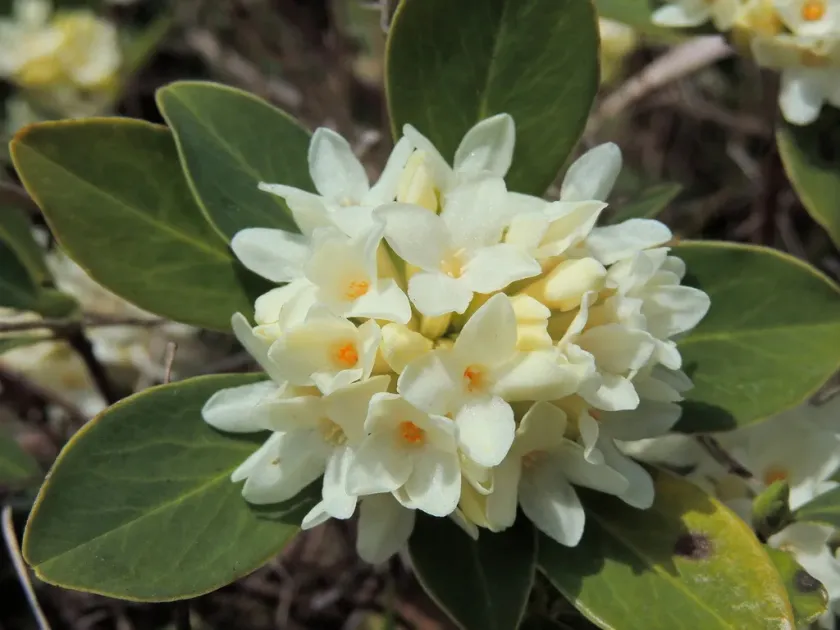
Daphne x susannae is a sophisticated, slow-growing hybrid shrub belonging to the Thymelaeaceae family. It is highly valued in horticulture for its compact habit, evergreen foliage, and exceptionally fragrant flowers that emerge in the early season, creating a stunning visual and olfactory effect in the garden.
The plant thrives in partial shade, as exposure to harsh afternoon sun can scorch its leaves. Providing a cool, sheltered position is crucial for maintaining the plant's health and ensuring that the foliage remains lush and vibrant throughout the growing season.
Success with this species requires well-drained, lime-rich soil with a neutral to slightly alkaline pH. Drainage is the single most important factor in its cultivation; therefore, it is advisable to plant it on a slight slope or incorporate coarse grit into the planting hole to prevent moisture accumulation.
Regarding climate, Daphne x susannae prefers temperate conditions. In regions with severe winters, it requires winter protection to prevent damage from frost and cold, desiccating winds, which can easily dehydrate the evergreen stems and foliage.
In landscaping, this cultivar is perfectly suited for rock gardens, trough plantings, or small, curated garden beds where its slow growth rate is an advantage. It serves as an excellent feature plant that brings elegance and structure to smaller garden spaces.
Main diseases and pests
The primary threat to this shrub is root rot, frequently caused by stagnant water or poor drainage conditions. Once root health is compromised, it is often difficult to reverse, making the prevention of overwatering a vital aspect of daily care.
Pests such as aphids and spider mites may occasionally infest the plant, particularly during dry, warm spells. Regular inspection of the foliage, especially the undersides of the leaves, is recommended to detect any early signs of infestation and to apply appropriate control measures.
Fungal issues, including leaf spots or powdery mildew, can occur if there is insufficient air circulation around the shrub. Proper spacing during planting and selective thinning of branches help maintain a healthy airflow and minimize the risk of infection.
Good hygiene in the garden is essential; always disinfect pruning tools to prevent the transmission of pathogens between plants. Removing any dead or damaged wood in early spring also promotes vigorous new growth and improves the plant's overall resilience.
It is important to note that Daphne species are toxic if ingested and can cause skin irritation upon contact with the sap. Always wear protective gloves when pruning, and ensure that the plant is placed out of the reach of children and pets.