
Cyrtocarpa
Cyrtocarpa
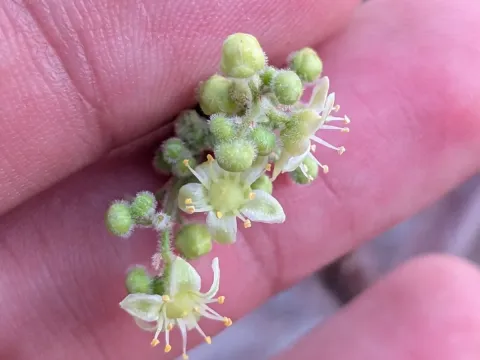
Cyrtocarpa is a genus of trees and shrubs belonging to the Anacardiaceae family. These plants are primarily native to Mexico and are well-adapted to arid and semi-arid tropical environments.
What the section contains

Cyrtocarpa
The culture requires high temperatures throughout the year to maintain its biological cycle. As a typical xerophyte, it possesses physiological adaptations to survive long periods of drought, making it suitable for specific arid zones.
Soil requirements for Cyrtocarpa emphasize excellent drainage. They thrive in rocky, sandy, or well-aerated substrates where water does not accumulate, as root aeration is crucial for the health of these trees.
Full sun exposure is mandatory for the successful development of Cyrtocarpa. Any shade provided by neighboring structures or trees will significantly decrease the plant's growth rate and fruit production capacity.
Economically, Cyrtocarpa is valued for its edible fruits, which are harvested from wild or semi-cultivated stands. The plant's structure also makes it an excellent choice for stabilizing soils in degraded tropical landscapes.
The primary threats to Cyrtocarpa involve sap-sucking pests such as scale insects and spider mites. These pests thrive in hot, dry conditions and can cause significant foliage drop if left uncontrolled.
Fungal diseases are the main pathological concern, typically manifesting as root rots when the tree is exposed to overly humid soil conditions. Proper irrigation management is the most effective preventative measure.
Leaf spot diseases may occur during unusually wet seasons, affecting the photosynthetic capacity of the plant. Maintaining adequate airflow through the canopy is essential to reduce humidity levels around the foliage.
Systemic insecticides should be applied with caution, ensuring that they do not harm beneficial pollinators that visit the flowers of the tree during the blooming season.
Regular monitoring for signs of stress, such as yellowing leaves or wilting branches, allows for early intervention before a widespread outbreak occurs within the plantation.