
Cyrtocarpa procera
Cyrtocarpa procera
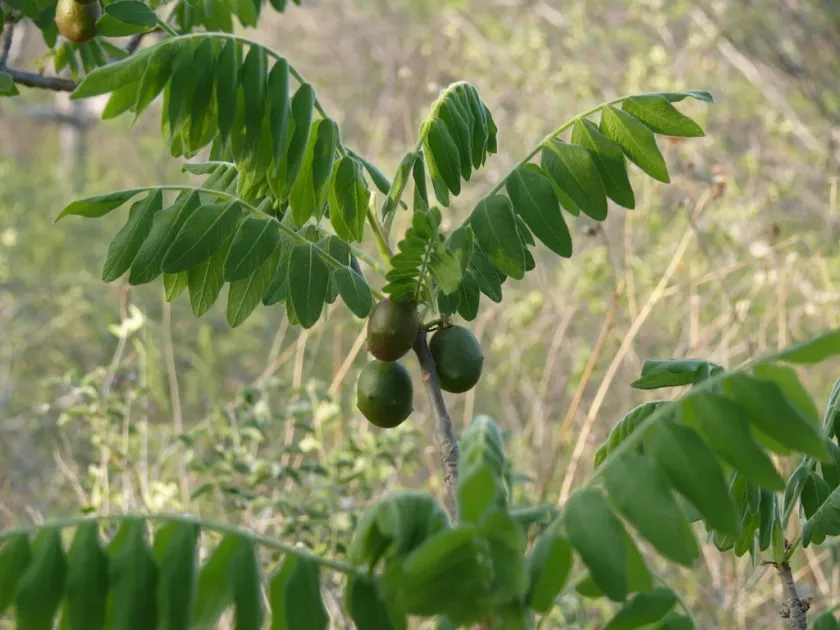
Description
Growing requirements
Cyrtocarpa procera is a deciduous tree belonging to the Anacardiaceae family, native to the tropical dry forests of Mexico.
This species is highly adapted to arid environments, possessing a sturdy structure that allows it to survive prolonged dry seasons effectively.
The tree thrives in well-drained, sandy, or rocky soils, as it cannot tolerate waterlogged conditions which often lead to root deterioration.
Abundant sunlight is a critical requirement for this plant, as it promotes healthy growth and fruit production in its natural habitat.
Its fruits are a valued food source, and the tree is also historically important for its tannins, which are utilized in traditional tanning processes.
Main diseases and pests
This species generally exhibits strong resistance to common pests due to its adaptation to harsh, semi-arid climatic conditions.
Root rot caused by excessive soil moisture and poor drainage is the primary pathological threat to this cultivation.
Occasional infestations by sap-sucking insects, such as aphids, may occur during stressful dry periods but are rarely fatal to established trees.
Mechanical damage to the bark can invite fungal infections, necessitating proper pruning techniques to maintain the tree's health.
The conservation of these trees is important, as they face risks from habitat loss and deforestation in their native range.