
Cyrtanthus tuckii
Cyrtanthus tuckii
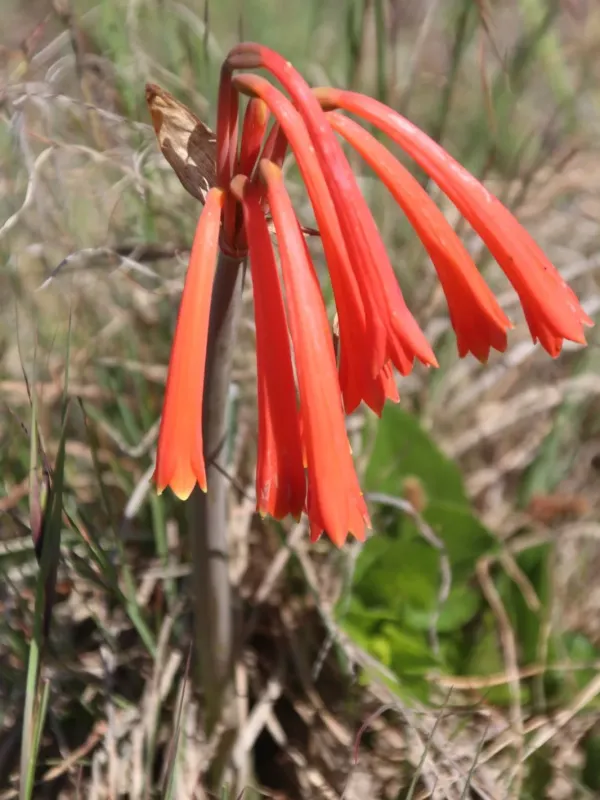
Description
Growing requirements
Cyrtanthus tuckii is a perennial bulbous plant belonging to the Amaryllidaceae family. It is a highly valued ornamental species native to the diverse landscapes of Southern Africa, thriving in grassy meadows and rocky slopes.
The plant possesses a well-developed bulb that serves as a storage organ. Its botanical profile includes linear leaves and distinct tubular flowers, which are the main focus of its horticultural cultivation.
For successful growth, the plant requires a growing medium with excellent drainage properties. A coarse, sandy loam substrate is ideal to replicate its natural environment and prevent water saturation around the bulbs.
Environmental requirements include a stable climate. The plant is sensitive to frost, necessitating indoor cultivation or controlled greenhouse conditions in temperate zones to ensure survival during the colder months.
Adequate air circulation is essential for maintaining plant vigor. Proper spacing during planting prevents high humidity levels between plants, which is a major factor in maintaining a healthy crop.
Main diseases and pests
The primary threats to Cyrtanthus tuckii are fungal infections, particularly those affecting the root system. Stagnant water creates a perfect environment for pathogens that cause bulb rot.
Pest pressures often include spider mites and aphids, especially in greenhouse environments. These pests can rapidly proliferate if the air becomes too dry for extended periods of time.
Effective pest management involves regular monitoring and the use of integrated control measures. Avoiding excessive nitrogen fertilization is also helpful, as lush, succulent growth attracts sap-sucking insects.
Sanitation practices such as removing dead organic matter from the surface of the soil are critical to reducing the population of pests and preventing the spread of diseases.
In cases of severe infestation or infection, targeted fungicide or insecticide applications are required. Always verify the compatibility of the chemicals with the sensitive bulbous tissues before application.