
Fire Lily
Cyrtanthus brachyscyphus
Description
Growing requirements
Cyrtanthus brachyscyphus, commonly known as a type of Fire Lily, belongs to the Amaryllidaceae family. Originating from South Africa, this perennial bulbous plant has adapted to climates that favor seasonal dormancy and burst growth.
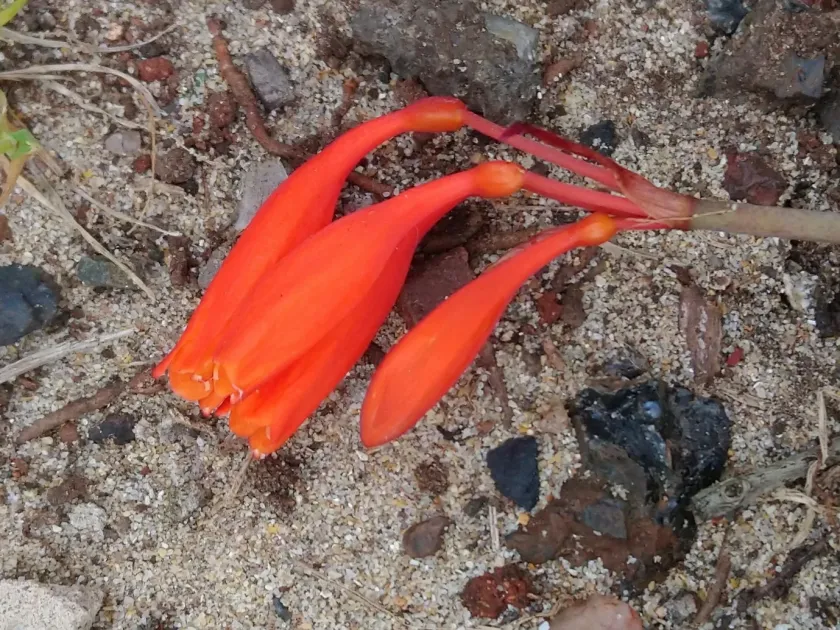
Botanically, it features narrow, strap-like leaves and hollow flower scapes that terminate in clusters of orange, trumpet-shaped flowers. The bulbs are relatively small and multiply through the production of offsets, allowing for easy propagation.
The plant requires bright, indirect sunlight to thrive. Direct sunlight, especially during peak afternoon hours, should be avoided as it can scorch the delicate foliage and inhibit proper flowering cycles.
Regarding soil requirements, this species demands a well-draining, aerated growing medium. A blend of peat, leaf mold, and perlite or coarse sand provides the necessary environment to prevent water retention around the bulb.
Watering management is crucial for this crop. During the active growing season, the soil should be kept consistently moist but not waterlogged. As the plant enters dormancy, water should be significantly reduced or withheld to allow the bulb to rest.
Main diseases and pests
The primary pests affecting this plant include spider mites and mealybugs. These sap-sucking insects often congregate on the underside of leaves or within the leaf axils, weakening the plant and spreading secondary infections.
Fungal diseases are a significant risk, particularly bulb rot caused by excessive humidity or poor soil drainage. These pathogens can quickly destroy the root system if conditions remain consistently anaerobic.
Preventative measures include maintaining proper airflow and avoiding overhead watering, which can trap moisture near the crown. Keeping the foliage dry helps reduce the risk of leaf spot pathogens.
Effective management requires the application of targeted insecticides or acaricides upon the first sighting of infestation. For fungal issues, specialized fungicides are required to treat the soil and plant tissues.
Cultural practices such as repotting every two to three years into fresh, sterile substrate significantly contribute to plant vigor. Proper sanitation prevents the buildup of soil-borne pathogens and ensures long-term crop health.