
Cyrtanthus elatus
Cyrtanthus elatus
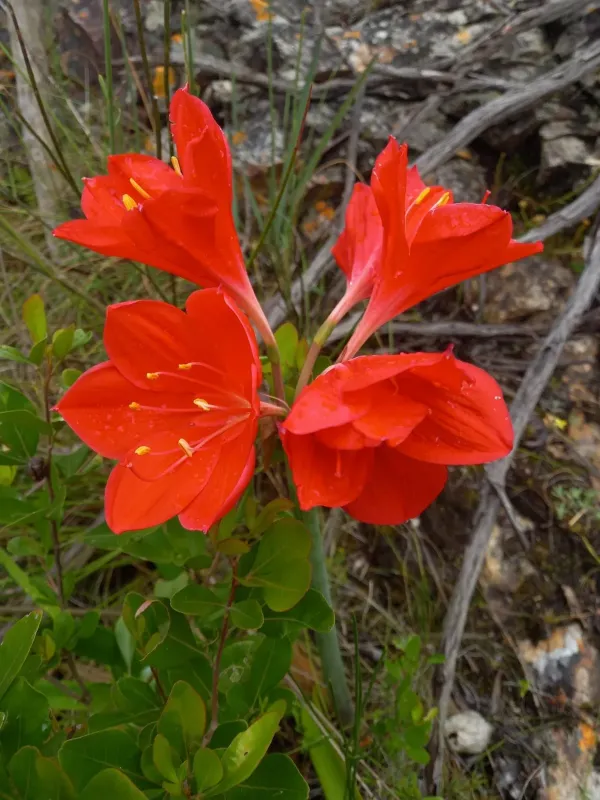
Description
Growing requirements
Cyrtanthus elatus, traditionally known as the Scarborough Lily, is a bulbous perennial belonging to the Amaryllidaceae family. Originating from the Cape region of South Africa, this plant has adapted to Mediterranean-style climatic conditions.
The agronomic success of this culture depends primarily on the quality of the substrate. A porous, well-draining soil mix consisting of organic matter, peat, and coarse sand is essential to prevent root asphyxiation during the growth cycle.
Light requirements for Cyrtanthus elatus are specific, demanding bright but indirect illumination. High-intensity direct light can cause leaf scorch, while insufficient light levels will significantly reduce the intensity and frequency of flowering.
Temperature management should follow seasonal patterns: 20–25 degrees Celsius during the active growing phase and a cooler resting period of around 12–15 degrees Celsius. This temperature differential is a critical trigger for flower initiation.
Water management is the most vital aspect of the plant's husbandry. While moisture is necessary during the flowering period, the substrate must be allowed to dry slightly between irrigation sessions to maintain the health of the bulb.
Main diseases and pests
Common pests affecting Cyrtanthus elatus include mealybugs and scale insects, which often congregate at the base of leaves and along the leaf sheath. These pests extract phloem sap, leading to stunted development.
Fungal diseases, predominantly root and bulb rot caused by excessive moisture, are major threats. These pathogens flourish in compacted soils with poor drainage, which highlights the importance of using sterilized growth media.
Control strategies involve a combination of biological sanitation and chemical intervention. Applying systemic fungicides can effectively manage soil-borne diseases, while horticultural oils are recommended for managing soft-bodied insect populations.
Maintaining proper hygiene by removing dead foliage and debris from the base of the bulbs is an essential cultural practice to reduce the pressure of secondary infections and pest habitats.
Periodic monitoring and preventative care are crucial for maintaining the health of the bulbous crop. By ensuring optimal ventilation and avoiding overhead irrigation, growers can effectively minimize the incidence of most common diseases.