
Cyrtanthus angustifolius
Cyrtanthus angustifolius
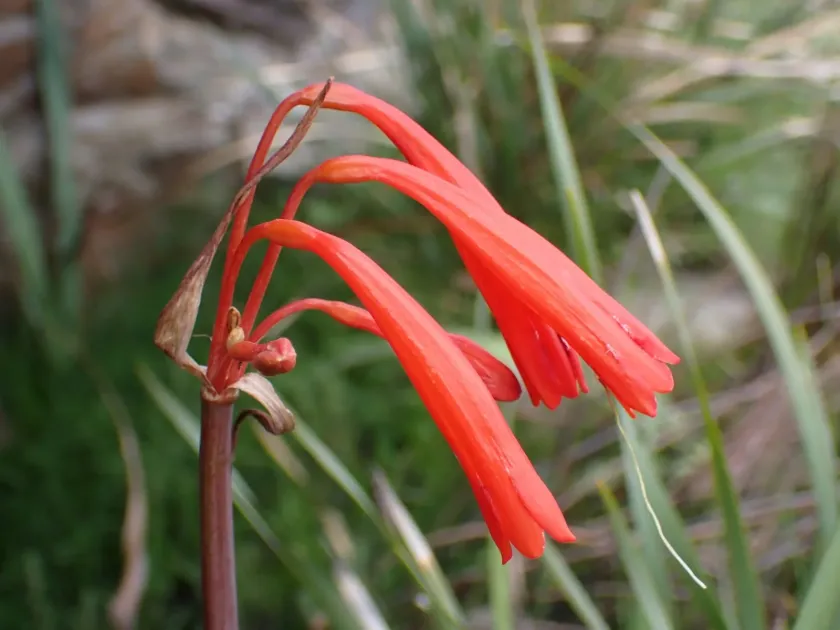
Description
Growing requirements
Cyrtanthus angustifolius belongs to the Amaryllidaceae family and is native to the diverse landscapes of South Africa. As a bulbous perennial, it is highly valued for its elegant, narrow foliage and vibrant, tubular flowers that appear in seasonal flushes.
The cultural requirements for this species focus on excellent drainage and a well-aerated soil medium. In cultivation, a mix composed of loam, perlite, and organic compost is ideal for maintaining the health of the bulbous root system, preventing rot during dormancy.
Climate preferences for Cyrtanthus angustifolius are strictly defined by its origin. It requires plenty of sunlight to bloom effectively but prefers protection from the harsh, direct afternoon sun during the peak of summer, which can scorch the foliage.
Temperature management is critical: the plant thrives in warm conditions during its growth phase but requires a distinct cool, dry period to trigger the flowering cycle. Frost is generally not tolerated, necessitating indoor protection in temperate climates.
Watering protocols should be adjusted according to the plant's life cycle. During the growing season, moderate moisture is essential, while during the winter dormancy period, the bulbs should be kept nearly dry to replicate their natural environmental cues.
Main diseases and pests
Like many bulbous plants, Cyrtanthus angustifolius is susceptible to fungal issues, particularly basal rot caused by poor soil drainage and excessive humidity. Preventing these conditions is the primary strategy for ensuring plant longevity.
Pests such as the Amaryllis borer and mealybugs can cause significant damage to the plant tissue. Regular monitoring of the bulbs and leaf bases is necessary to detect infestations before they spread to the rest of the collection.
Spider mites are another common challenge, especially in indoor environments where the air is excessively dry. Increasing ambient humidity and proper ventilation can help suppress mite populations without heavy chemical intervention.
Sanitation practices play a key role in disease prevention. Removing dead foliage and keeping the growing area free of organic debris significantly reduces the risk of attracting pests or fostering soil-borne pathogens.
In cases of severe infestation, integrated pest management including the use of systemic insecticides or biological controls may be required to protect the integrity of the planting and ensure healthy future blooming cycles.