
Cyrtanthus mackenii
Cyrtanthus mackenii
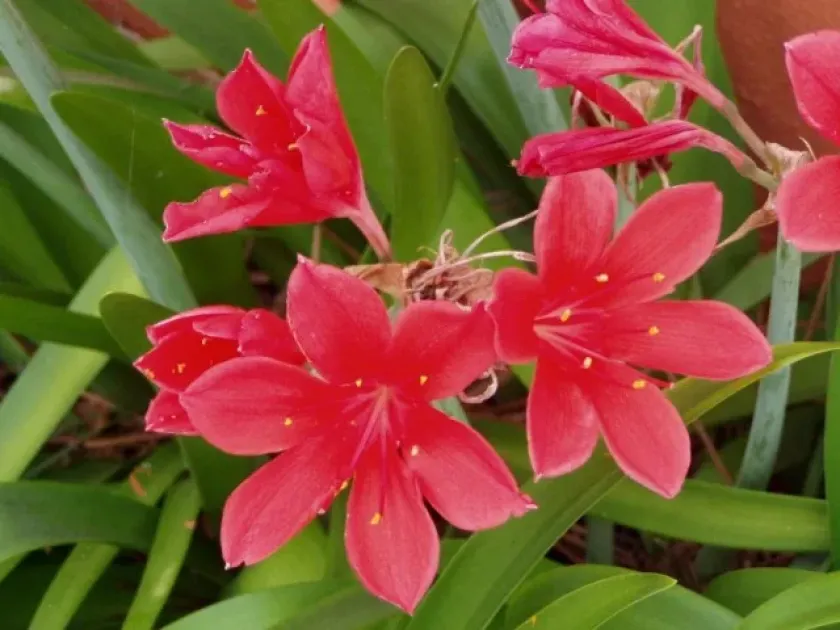
Description
Growing requirements
Cyrtanthus mackenii is a bulbous perennial belonging to the Amaryllidaceae family. Native to the humid regions of South Africa, it thrives in environments that mimic its natural riverbank habitats.
The crop requires bright, indirect light to maintain vigorous leaf growth and promote annual flowering. Direct sunlight during the peak of the day may cause leaf scorch and dehydration.
Soil structure is critical for this species. A well-draining potting mix containing peat, perlite, and organic matter ensures that the bulbs do not remain waterlogged, which is vital for preventing root rot.
Consistent moisture is required throughout the growing season. The substrate should be kept moist but never saturated; overwatering is the most common cause of failure in cultivating this species.
Temperature management should prioritize consistency, ideally between 18°C and 22°C. During the winter dormant period, keeping the bulbs in a cooler, drier location encourages a stronger blooming phase in the spring.
Main diseases and pests
Spider mites are the most prevalent pests that affect this crop, especially in environments with low humidity. They congregate on the underside of leaves, causing yellowing and tissue damage.
Root and bulb rot represent the most significant pathological threats. These are typically caused by fungal pathogens such as Pythium, thriving in cold, soggy soil conditions.
Effective management includes maintaining a strict irrigation schedule and ensuring proper airflow around the plant foliage to minimize high-humidity pockets that favor disease.
If pests are identified, mechanical removal combined with horticultural soaps or neem oil is often sufficient for minor infestations. Severe cases require targeted systemic insecticides.
Preventative hygiene, such as using sterilized pots and fresh, pathogen-free growing media, is the primary defense strategy for all Cyrtanthus varieties in cultivation.