
Cyrtanthus hybrid
Cyrtanthus hybrids
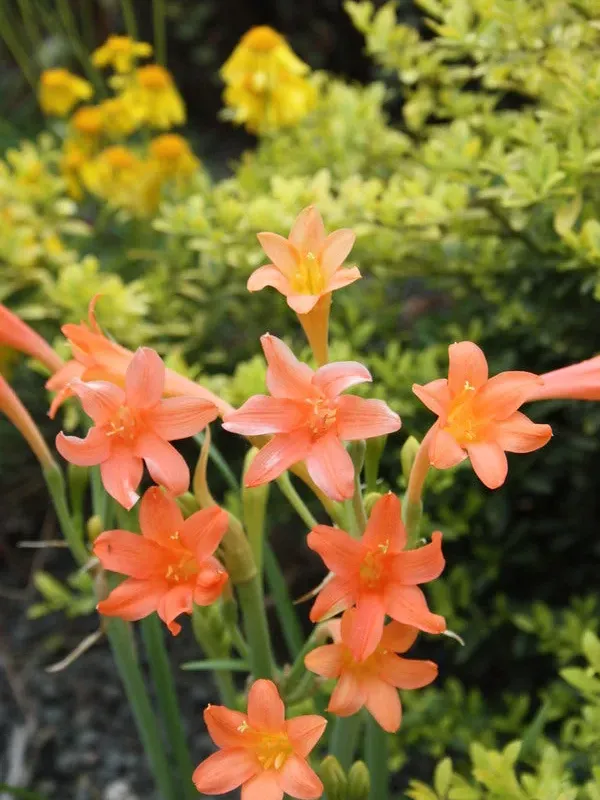
Description
Sowing dates
Propagation of Cyrtanthus hybrids is primarily achieved through the division of offset bulbs, which is the most reliable method for maintaining the desired horticultural characteristics. This procedure is typically performed during the dormant season after the plant has finished flowering.
Seed propagation is possible but requires high-quality fresh seeds, as their viability decreases rapidly over time. Seeds should be sown in a well-draining, sterile peat-based medium to ensure optimal germination rates.
Seedlings need a stable temperature of approximately 20–22 degrees Celsius and consistent moisture levels. The container should be kept in a bright location but shielded from direct, intense sunlight during the initial stages of development.
Pricking out the young seedlings should be handled with extreme care, as their root systems are fragile and sensitive to disturbance. Proper spacing is essential to prevent overcrowding and to promote healthy bulb development.
In commercial production, maintaining a strict hygiene protocol during propagation is vital to ensure that the young stock remains free from viral and fungal pathogens often associated with bulb cultivation.
Growing requirements
Cyrtanthus hybrid is a bulbous species belonging to the Amaryllidaceae family, originating from South Africa. It is highly valued as an ornamental crop for its unique, trumpet-shaped flowers and attractive foliage.
The plant thrives in bright, indirect light. While it requires substantial light to produce flowers, excessive direct sun can scorch the leaves. Therefore, partial shading during peak summer heat is recommended.
The ideal growing medium should be porous and rich in organic matter. A well-constructed drainage layer at the base of the pot is crucial to prevent the bulb from sitting in water, which can rapidly lead to rot.
A distinct seasonal cycle is necessary for successful flowering. During the growing season, regular watering and fertilization are required, while the dormant winter period necessitates cooler temperatures and significantly reduced irrigation.
Environmental control is key, especially regarding ventilation. Ensuring adequate airflow helps keep the foliage dry and reduces the risk of fungal outbreaks that are common in humid, stagnant conditions.
Main diseases and pests
Fusarium basal rot is the most serious threat to Cyrtanthus hybrids. This fungal disease targets the bulb plate, usually following overwatering, and can cause sudden collapse and death of the plant.
Common indoor pests such as mealybugs and scale insects pose significant risks. They cluster along the veins and crevices of the leaves, weakening the plant by extracting sap and producing honeydew that attracts sooty mold.
Spider mites are another concern, particularly in indoor environments with low humidity. They cause stippling on the leaves and can lead to chlorosis and general loss of plant vigor if left untreated.
Grey mold (Botrytis) can develop on flower petals and leaves if environmental humidity is too high and air circulation is poor. Removing decaying plant matter and reducing ambient moisture are the primary control measures.
Systemic insecticides and fungicides are effective when used as part of a integrated pest management program, but prevention through proper cultural practices remains the most sustainable approach to crop protection.