
Cyrtanthus falcatus
Cyrtanthus falcatus
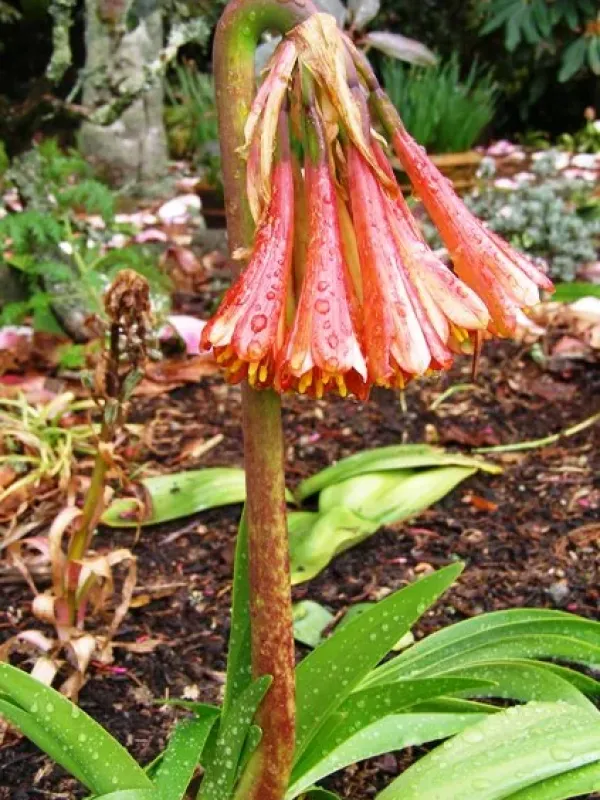
Description
Growing requirements
Cyrtanthus falcatus is a distinctive perennial bulbous plant belonging to the Amaryllidaceae family. It is recognized for its unique, sickle-shaped leaves, from which the botanical epithet falcatus is derived.
Native to South Africa, specifically the KwaZulu-Natal region, this species thrives in rocky, well-draining habitats. In horticultural practice, replicating these native conditions is essential for maintaining plant health and vitality.
The culture requires a highly porous, gritty substrate that prevents water saturation. A mix of peat, coarse sand, and perlite typically provides the necessary aeration for the bulb, which is prone to rot if moisture levels are poorly managed.
Regarding climate, the plant is not frost-tolerant and requires controlled environments such as greenhouses or conservatories in temperate regions. It needs a distinct period of rest, characterized by cooler temperatures and reduced hydration.
During the active growing season, consistent indirect sunlight is vital to support the development of the bulb and subsequent flowering. Fertilizer application should be limited to balanced liquid formulas applied sparingly during the rapid growth phase.
Main diseases and pests
Fungal diseases, particularly basal and bulb rot, represent the most significant threat to the crop. These conditions are almost exclusively triggered by over-irrigation or inadequate drainage within the growing medium.
Pests such as spider mites, mealybugs, and scale insects frequently infest the plant under suboptimal indoor conditions. Regular monitoring of the foliage and leaf axils is necessary to detect early stages of infestation.
Systemic insecticides or horticultural oils can be used for pest control, provided they are applied during the cooler parts of the day to avoid leaf scorch. Physical removal of scales with a soft brush is a safe and effective initial measure.
Stagnant air and high humidity without ventilation can promote the development of foliar pathogens. Maintaining airflow is essential to prevent the spread of fungal spores and ensure the overall health of the collection.
Proper sanitation practices, including the use of sterilized pots and fresh substrate during repotting, are critical components of a successful integrated pest management strategy for this delicate bulbous species.