
Cyrtanthus suaveolens
Cyrtanthus suaveolens
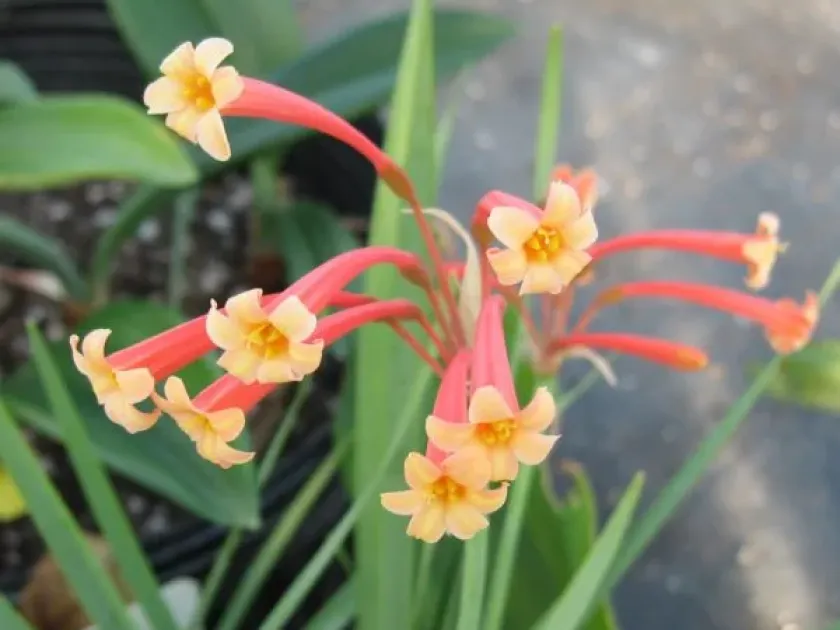
Description
Growing requirements
Cyrtanthus suaveolens is a perennial bulbous plant belonging to the Amaryllidaceae family. Native to the mountainous regions of South Africa, it thrives in well-drained, rocky environments, reflecting its natural adaptation to specific habitat conditions.
The plant requires bright, indirect sunlight to perform optimally. While it appreciates high light levels, exposure to direct, intense midday sun can lead to leaf scorching, especially during the peak summer months.
Cultivation requires a highly porous, loamy soil mix with excellent drainage capabilities. Using specialized substrates for bulbous plants or adding coarse sand and perlite is recommended to prevent moisture retention around the bulb.
Temperature management is crucial. During the growth phase, the plant prefers temperatures between 20°C and 25°C. A distinct cooling period is necessary during dormancy to ensure successful blooming in the following season.
Watering must be strictly regulated based on the growth cycle. During active growth, the soil should remain moist but never waterlogged. As the plant enters dormancy, water should be withdrawn almost entirely.
Main diseases and pests
Spider mites are the most prevalent pests in dry indoor conditions, causing fine webbing and chlorosis on the leaves. Regular inspection and maintaining appropriate humidity can prevent severe infestations.
Bulb rot remains the primary threat caused by fungal pathogens such as Fusarium. It is typically triggered by poor drainage or overwatering, often exacerbated by a lack of air circulation around the crown.
Mealybugs can often infiltrate the crevices between leaf bases. Early detection is key; manual removal with alcohol-soaked swabs or systemic pesticides is effective for controlling these pests.
Red blotch (Stagonospora curtisii) manifests as red, elongated spots on the foliage and bulb scales. It is notoriously difficult to eradicate and requires strict hygiene and removal of affected parts.
Thrips may cause distortion in the development of inflorescences. Using sticky traps or insecticidal soaps is a common practice for controlling these flying insects in the growing area.