
Cussonia zuluensis
Cussonia zuluensis
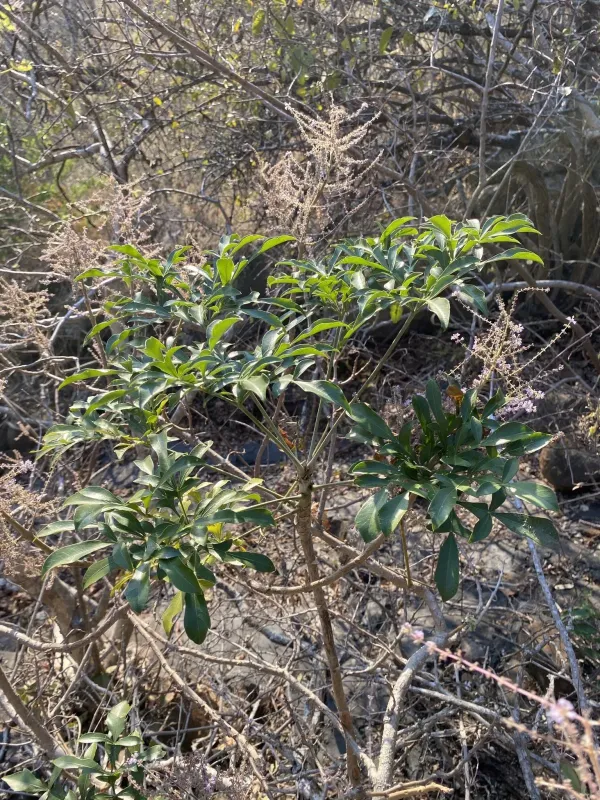
Description
Growing requirements
Cussonia zuluensis is a distinctive evergreen tree belonging to the Araliaceae family, renowned for its attractive, palmate leaves and unique corky bark texture that provides excellent ornamental value in various agricultural and landscaping projects.
Native to Southern Africa, this species thrives in subtropical climates, requiring significant exposure to bright, filtered light and a stable, warm environment to maintain its growth rates and overall structural integrity.
The cultivation of this plant necessitates well-draining soil media to prevent root rot, as the root system is highly sensitive to waterlogged conditions, which is one of the most common causes of failure in early-stage cultivation.
The agronomic management includes a balanced irrigation schedule that allows the top layer of soil to dry out, complemented by moderate application of nitrogen-rich fertilizers during the active growth phase to promote dense foliage.
Temperature management is crucial; although it can withstand light heat, it requires protection from frost and freezing temperatures, which can irreversibly damage the soft cambium layer of the young stems.
Main diseases and pests
The most common pests affecting Cussonia zuluensis are mealybugs and spider mites, which tend to congregate on the underside of the leaves, particularly in environments with low air circulation and high ambient temperatures.
Root and crown rots are the primary pathological threats, usually induced by poor drainage, excessive irrigation frequency, or contaminated potting media that fails to provide sufficient aeration to the roots.
Effective pest control involves a combination of mechanical removal of infested foliage and the use of targeted systemic insecticides, ensuring that the plant is not under environmental stress during treatment.
Leaf spot infections can also occur in humid environments, requiring the application of preventive fungicides and improved ventilation strategies to ensure that the canopy remains dry during non-growth periods.
Early identification of pest infestations is key to successful management; regular scouting programs in nurseries allow for localized treatment, preventing the spread of insects to adjacent blocks of crops.