
Natal cabbage tree
Cussonia natalensis
Description
Growing requirements
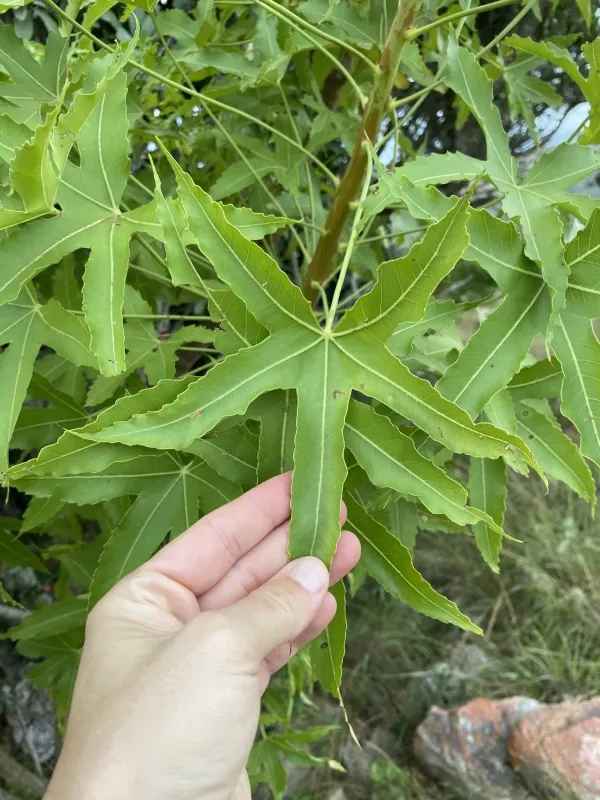
The Natal cabbage tree (Cussonia natalensis) is a distinctive member of the Araliaceae family. Native to South Africa, it is a deciduous tree known for its rugged, corky bark and deeply divided, lush foliage that forms a beautiful canopy.
In its natural habitat, the species thrives in rocky outcrops and dry woodlands, which has equipped it with significant drought tolerance. This makes the plant an excellent candidate for xeriscaping in suitable warm climates.
The cultivation of this species requires well-draining, sandy or loamy soils. Ensuring that the soil does not become waterlogged is essential for the health of the plant, as the roots are particularly sensitive to anaerobic conditions.
The plant performs best in full sun, which helps it maintain a compact and healthy crown. While it can withstand moderate heat, young specimens may require some protection from intense afternoon sun in extremely arid environments.
Horticulturally, it is utilized as an ornamental plant in landscaping. Its sculptural form makes it a focal point in tropical and subtropical gardens, providing architectural interest throughout the growing season.
Main diseases and pests
Pest management for Cussonia natalensis primarily involves monitoring for sap-sucking insects. Spider mites and scale insects are the most common invaders that can weaken the plant by feeding on its foliage and stems.
Fungal diseases represent a significant threat if cultural conditions are not met. Root rot, in particular, is common in heavy, water-retentive soils where drainage is insufficient to allow the root system to breathe.
To prevent these issues, it is recommended to maintain a strictly controlled watering schedule. Allowing the soil to dry out significantly between watering sessions helps to prevent the proliferation of rot-inducing pathogens.
Environmental stress, such as poor ventilation in greenhouse settings, may encourage powdery mildew growth. Improving airflow and maintaining proper spacing between individual trees will significantly reduce the risk of infection.
If chemical interventions are necessary, organic-based insecticidal soaps are usually sufficient for managing mild infestations. Regular visual inspections are the most effective way to detect threats early before they compromise the tree's health.