
Cussonia holstii
Cussonia holstii
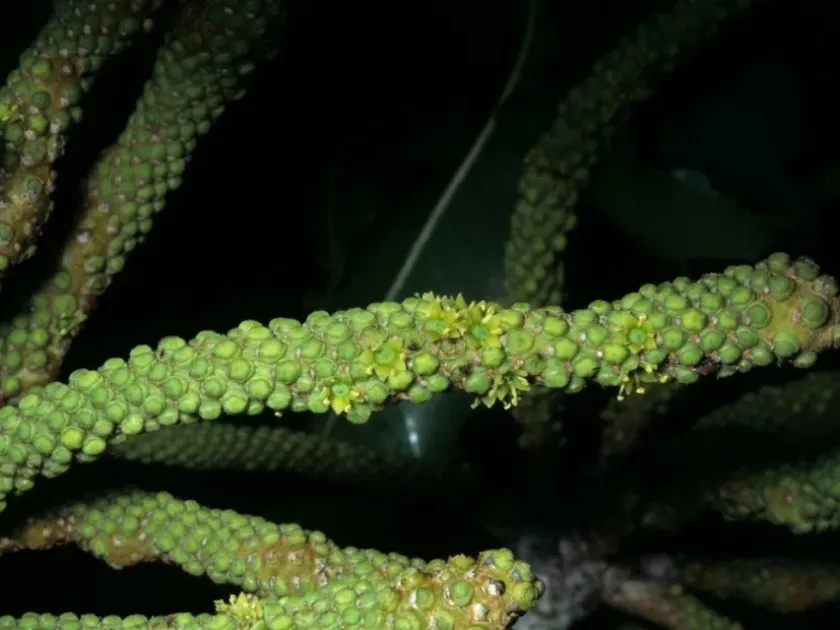
Description
Growing requirements
Cussonia holstii is a distinct member of the Araliaceae family, highly regarded for its sculptural habit and thickened, caudex-like stem base. This architectural plant is often utilized in xeriscaping or as an ornamental specimen in conservatories due to its striking, palm-like foliage.
Native to the savannas and woodlands of East Africa, including countries such as Kenya and Tanzania, this plant is adapted to cycles of intense sun and seasonal drought. This evolutionary background makes it relatively resilient once established in a suitable growing environment.
Cultivation success relies heavily on soil structure. A well-draining, gritty mix is essential to mimic its natural, fast-draining rocky habitat. Standard potting soil amended with significant amounts of perlite, pumice, or sand will prevent the roots from remaining damp for too long.
The climate requirements necessitate bright, indirect light to maintain a compact, vigorous growth habit. In indoor settings, placing the plant in a south-facing window ensures it receives the necessary intensity of light to support its physiological processes without scorching the leaves.
Temperature management is critical for this tropical native. It thrives in warm temperatures but should be protected from drafts and temperatures dropping below 10-12 degrees Celsius, as this can induce dormancy or damage the succulent tissues of the trunk and branches.
Main diseases and pests
While generally hardy, Cussonia holstii can face challenges from common indoor plant pests, particularly spider mites. These thrive in the dry air of heated homes and can cause significant damage to the leaf tissue if not addressed early with consistent misting or appropriate acaricides.
Mealybugs are another common threat, often settling in the junctions of leaf stalks and the main stem. Their presence leads to stunted growth and the potential for secondary fungal issues due to the honeydew they secrete, which encourages sooty mold development.
Root rot is the most common physiological disorder, primarily caused by overwatering or compacted, poorly draining substrate. When roots are deprived of oxygen, they quickly decay, leading to the collapse of the stem and the overall loss of the specimen.
Cultural control remains the best defense against threats. Maintaining proper airflow and adhering to a strict watering schedule, where the soil is allowed to dry significantly between waterings, helps keep the plant resistant to pests and pathogens.
If chemical intervention becomes necessary, always choose products labeled for indoor use and apply them as directed. Early detection through regular inspections of the plant's health will allow for prompt treatment and minimize potential damage to the foliage and root system.