
Cussonia sphaerocephala
Cussonia sphaerocephala
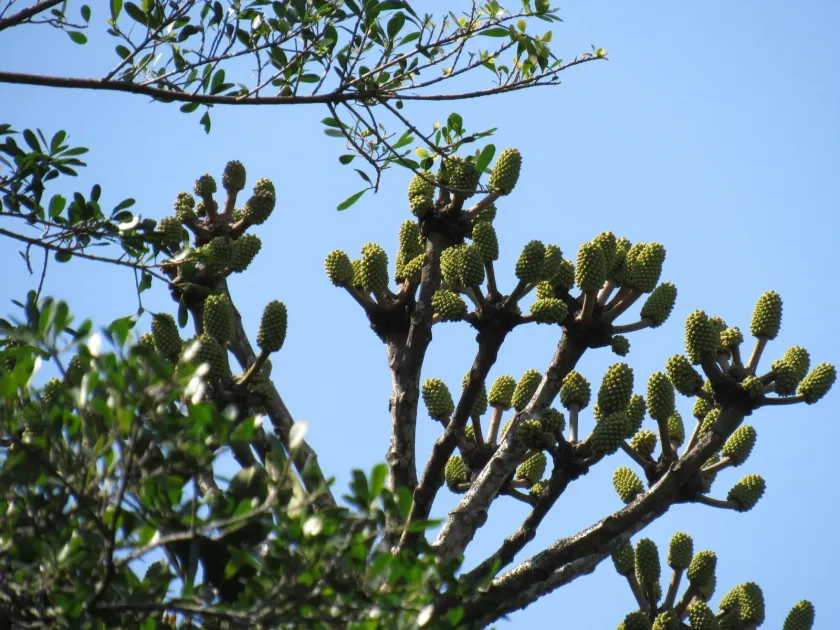
Description
Growing requirements
Cussonia sphaerocephala belongs to the Araliaceae family, which is known for its diverse and distinct botanical characteristics. This species is native to South Africa, where it thrives in natural forest fringes and rocky outcrops.
The plant requires a bright and well-lit environment to maintain its growth structure. It prefers indirect sunlight and can tolerate partial shade if the lighting conditions remain consistent throughout the day.
Soil quality is a critical factor for successful cultivation. The ideal growing medium should be loose, well-draining, and slightly acidic, mimicking the natural soil composition of its native environment.
Water management involves regular but careful irrigation. It is essential to allow the surface layer of the soil to dry out before the next watering to prevent root rot, which is common in overwatered conditions.
Temperature requirements are generally moderate, with the best growth observed between 18 and 25 degrees Celsius. In cultivation, the plant benefits from a slight reduction in temperature during the winter months.
Main diseases and pests
Common pests associated with this plant include spider mites and scale insects, which often thrive in indoor environments with low atmospheric humidity.
The management of these pests involves the use of specialized insecticides or horticultural oils, along with regular cleaning of the leaves to remove dust and potential pest colonies.
Diseases are mostly related to improper watering practices, leading to fungal infections in the root zone or on the foliage under conditions of excessive moisture.
Good cultural practices, such as ensuring proper airflow and spacing between plants, significantly reduce the risk of disease outbreaks in greenhouses or nurseries.
If the plant shows signs of root stress, it is vital to inspect the root system, prune any decayed parts, and transplant the specimen into fresh, sterile, and well-draining soil.