
Curcuma singularis
Curcuma singularis Gagnep
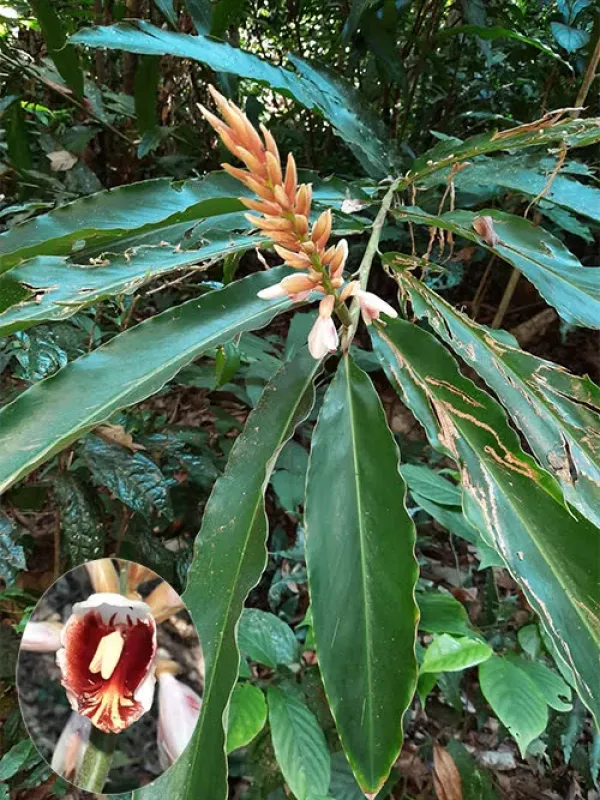
Description
Growing requirements
Curcuma singularis is a distinctive herbaceous perennial plant belonging to the Zingiberaceae family. It is native to the tropical regions of Southeast Asia, thriving in shaded forest environments where humidity levels remain consistently high throughout the year.
Botanically, the plant is distinguished by its fleshy, aromatic rhizome and ornamental inflorescences. The foliage is typically wide and lanceolate, while the inflorescence consists of colorful bracts that protect the small, ephemeral flowers, making it a subject of interest in both ornamental and niche medicinal horticulture.
Successful cultivation of this species requires strict adherence to tropical climate parameters. The plant thrives in temperatures between 22°C and 30°C. It is highly intolerant to cold, and temperatures below 15°C will cause the foliage to wither and the plant to enter dormancy.
Soil requirements focus on high organic matter content and porous structure. An ideal growing medium is a mixture of composted peat, leaf mold, and perlite, which ensures rapid drainage and adequate aeration for the rhizome, preventing hypoxia in the root system.
Lighting should be bright but indirect. Intense, direct sunlight can lead to leaf scorching and physiological stress, whereas insufficient light prevents the development of flower spikes. A location with filtered light or partial shade is optimal for achieving vigorous vegetative growth.
Main diseases and pests
The primary threats to Curcuma singularis are soil-borne pathogens, particularly Fusarium and Pythium species, which cause rapid rhizome rot under waterlogged conditions. Preventive measures include using sterilized growing media and implementing strict irrigation control.
Pests, such as spider mites and mealybugs, are common in greenhouse environments. These insects thrive in dry air, so maintaining ambient humidity levels is an effective cultural control. When necessary, soft-soap solutions or specialized acaricides are recommended to manage outbreaks.