
Orange ginger
Curcuma aurantiaca Zijp
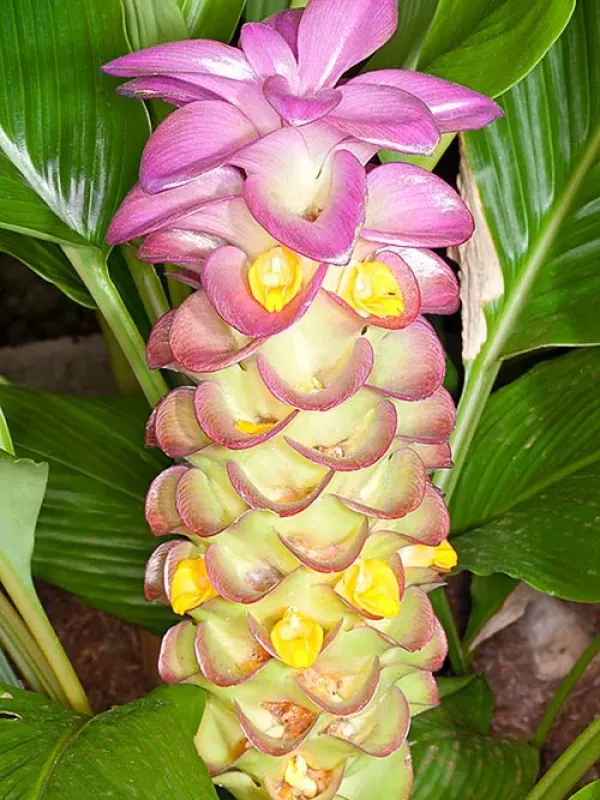
Description
Sowing dates
Planting orange ginger (Curcuma aurantiaca) in temperate climates is typically done in the spring once the soil temperature consistently stays above 20 degrees Celsius. This warmth is essential for breaking the dormancy of the rhizomes and ensuring rapid sprout development.
In greenhouse environments, planting can be initiated earlier in the season to maximize the growth cycle. Using high-quality, disease-free rhizomes is the most effective way to ensure healthy growth and a bountiful harvest at the end of the season.
Before sowing, soaking the rhizomes in a growth stimulator or a fungicide solution can improve germination rates and protect the plant from early soil-borne pathogens. Planting depth should be around 5 to 8 centimeters, which provides enough soil cover to maintain moisture while allowing shoots to break through.
When growing in containers, it is vital to use a well-aerated, loose potting mix that allows for excess water to drain freely. Consistent spacing between plants is recommended to allow for adequate foliage expansion and to facilitate easier weeding and maintenance.
Timing the planting carefully allows the plant to complete its lifecycle before the onset of cold weather, ensuring that the rhizomes reach full maturity for the next year's cycle.
Growing requirements
Orange ginger belongs to the Zingiberaceae family and thrives in tropical conditions characterized by high humidity and consistent warmth. It prefers a location with bright, indirect light, as direct sun can scorch the delicate leaves during the peak of summer.
The soil should be rich in organic matter, slightly acidic to neutral in pH, and highly permeable. A well-drained substrate is non-negotiable, as stagnant water will lead to the rapid rot of the rhizome structure, which is the most common cause of plant loss.
Watering requirements are high during the active growth phase, as the plant needs a steady supply of moisture to support its large foliage and flowering stems. However, during the winter dormancy period, watering must be significantly reduced to let the soil dry out.
Fertilization with a balanced NPK fertilizer during the active growth season helps in promoting strong stems and vibrant orange inflorescences. Micronutrient application can also be beneficial in container gardening where soil resources are limited.
Maintaining high humidity around the plant, especially in indoor environments, can be achieved through misting or by using humidity trays. This mimics the native tropical habitat and keeps the foliage healthy and vibrant throughout the growing season.
Main diseases and pests
The primary threats to orange ginger are fungal diseases like Fusarium and Pythium rot, which thrive in waterlogged soil conditions. These pathogens can destroy the root system very quickly if drainage is not managed correctly from the start.
Common pests include spider mites and aphids, which are particularly troublesome in dry, stagnant indoor air. Early detection through regular leaf inspection is crucial for controlling these pests before they develop into large, damaging populations.
Effective pest management involves the use of systemic insecticides or safer, organic alternatives like neem oil and insecticidal soaps. Consistent hygiene in the growing area, including the removal of dead leaves, prevents many problems before they start.
Bacterial infections can sometimes present as dark, water-soaked spots on the stems. If such symptoms occur, it is essential to isolate the affected plants and sanitize all gardening tools to prevent further transmission to healthy stock.
Proactive care, such as ensuring proper airflow and using sterilized soil for potting, remains the best defense against diseases and ensures that the plants remain vigorous and aesthetically pleasing.
Harvesting
Harvesting the rhizomes is performed at the end of the growing cycle, once the plant's leaves begin to yellow and wither naturally. This senescence period is when the plant transfers all its energy reserves into the underground rhizome system.
Digging should be carried out carefully using a garden fork to avoid slicing or bruising the rhizomes, as any damage to the skin can become an entry point for post-harvest pathogens. The rhizomes are then cleaned gently and prepared for storage.
Proper curing of the rhizomes is essential; they should be kept in a dry, ventilated area out of direct sunlight for several days to allow the outer skin to toughen. This step significantly improves their shelf life and resilience during storage.
Storage should be conducted in a cool, dark, and dry place. Packing the rhizomes in peat moss or dry sawdust helps to maintain stable humidity levels and prevents the roots from shrinking due to moisture loss over the winter months.
In addition to rhizome harvest, the inflorescences of Curcuma aurantiaca are prized as premium cut flowers. Harvesting them at the right stage of development provides high-value products for floristry and floral displays.