
Blue ginger
Curcuma aeruginosa Rosc.
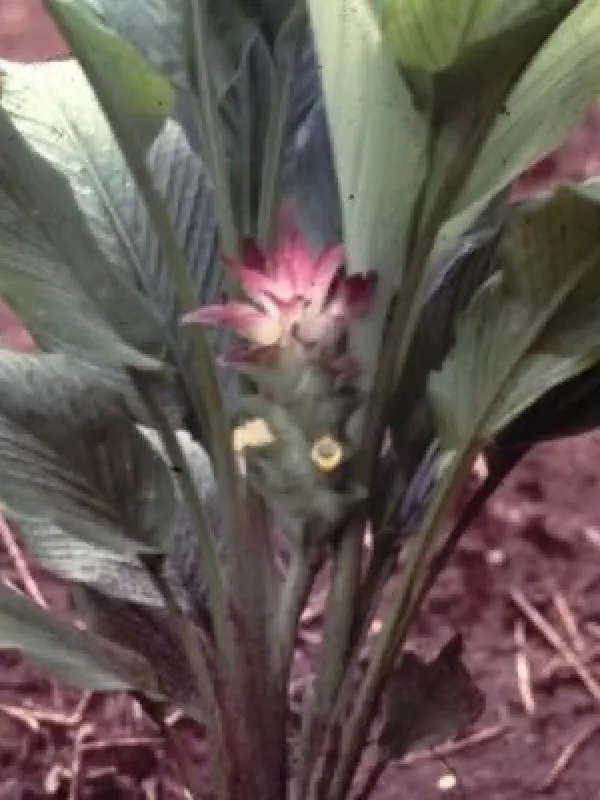
Description
Sowing dates
Planting Blue Ginger typically begins at the start of the rainy season when soil moisture levels are optimal for germination. In tropical regions, this is usually between April and May to ensure a long growing period.
Propagation is carried out vegetatively using clean, disease-free rhizome sections. Each piece should weigh approximately 20–30 grams and contain at least one healthy bud to ensure robust initial growth.
The rhizomes are planted at a depth of 5–7 centimeters with spacing set at 30–40 centimeters. This density allows for adequate airflow around the base of the plant and provides enough space for root development.
As a member of the Zingiberaceae family, the crop requires a frost-free environment to fully mature. Proper soil preparation, including the incorporation of organic matter, is essential for successful planting.
Mulching the soil immediately after planting helps to maintain soil temperature and moisture, which is critical for the rapid emergence of shoots. It also serves as a weed suppression technique during the early growth stages.
Growing requirements
Blue Ginger thrives in loose, fertile sandy loam or silty loam soils that possess excellent drainage. Poor drainage can quickly lead to rhizome rot, making field selection a top priority for farmers.
The plant prefers a warm climate with temperatures ranging from +20 to +30 degrees Celsius. While it likes bright light, it often requires partial shade during the hottest part of the day to prevent leaf scorch.
Maintaining a soil pH between 5.5 and 7.0 is ideal for nutrient uptake. Regular fertilization with potassium and phosphorus, especially during the active growth phase, significantly boosts rhizome yield.
Consistent moisture is required throughout the growing cycle, though waterlogging must be avoided at all costs. Irrigation systems should be managed based on local rainfall patterns to prevent water stress.
The plant is native to the humid tropics and is sensitive to strong winds. Providing windbreaks or growing the crop in protected valleys can prevent mechanical damage to the lush green foliage.
Yield
Yield potential for Blue Ginger is influenced by soil fertility, irrigation management, and crop density. Under optimal agricultural conditions, yields can range from 15 to 25 metric tons per hectare.
The product of interest is the underground rhizome, characterized by its unique bluish-grey flesh. The quantity and quality of these rhizomes are directly correlated with the health of the foliage above ground.
Crop monitoring is performed throughout the season to adjust nutrient application schedules. Healthy, expansive leaf cover indicates strong energy accumulation in the rhizomes below.
Modern farming practices often include fertigation to ensure precise delivery of minerals directly to the root zone. This significantly enhances the overall crop output and uniformity of the rhizomes.
Post-harvest classification is vital for market value, as the industry prefers large, firm, and undamaged rhizomes. Sorting based on size and skin condition ensures premium pricing for the farmers.
Main diseases and pests
The most serious threats to Blue Ginger are fungal pathogens, particularly Pythium and Fusarium species, which cause soft rot in rhizomes. These are exacerbated by poorly drained soils and excessive moisture.
Root-knot nematodes are also a significant pest, as they damage the feeder roots and restrict water uptake. Implementing a strict crop rotation schedule with non-host species is the best defense against these pests.
Leaf-eating caterpillars and various beetle species can reduce photosynthetic capacity. Regular scouting of fields allows for targeted intervention using biological or chemical pest control agents.
Sanitation practices, such as disinfecting tools and removing infected plant tissue, are crucial for disease prevention. This helps to contain outbreaks and keeps the plantation healthy for the duration of the cycle.
In cases of severe infestation, affected plants should be rogue out and destroyed off-site to prevent pathogen spread. This proactive approach is essential for maintaining the integrity of the whole harvest.
Harvesting
Harvesting usually occurs 7–9 months after planting when the stems and leaves begin to senesce and turn yellow. This natural decline signifies that the rhizomes have reached maturity and maximum energy storage.
Careful excavation is required to avoid damaging the rhizomes, as mechanical cuts increase the risk of decay. Specialized digging forks or mechanical diggers are typically employed for large-scale operations.
Once harvested, the rhizomes must be cleaned of excess soil, washed thoroughly, and stripped of roots and debris. Proper cleaning at this stage simplifies subsequent processing and sorting.
Drying is a critical post-harvest step conducted in well-ventilated areas to remove excess moisture without degrading essential oils. Controlled drying temperatures ensure the quality of the pharmaceutical and food-grade products.
After reaching the desired moisture content, the rhizomes are packed and stored in cool, dry conditions. This final step protects the valuable compounds and extends the shelf life of the marketed crop.