
Hybrid turmeric
Curcuma hybr.
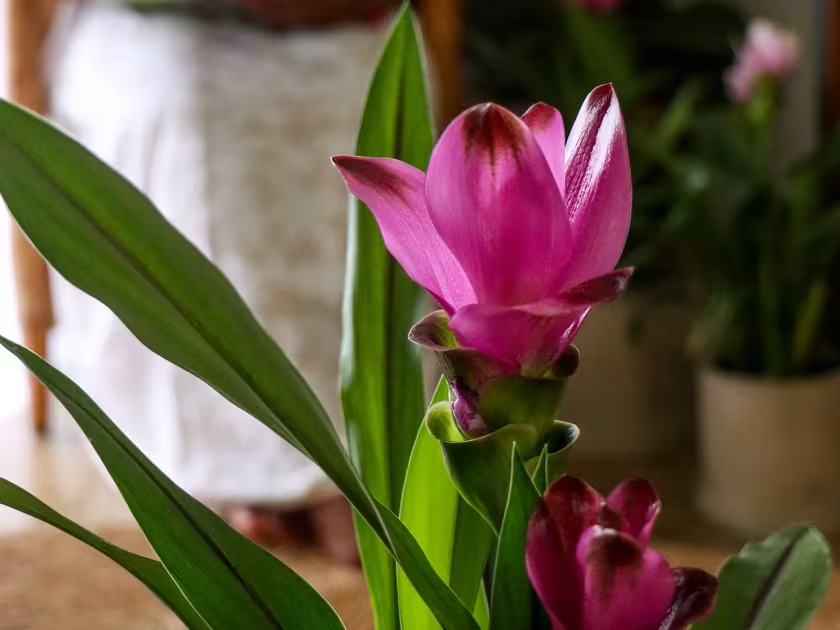
Description
Sowing dates
Hybrid turmeric (Curcuma hybr.) belongs to the Zingiberaceae family and is a perennial herbaceous plant. The crop is primarily propagated using rhizome cuttings, which are planted into well-warmed soil once the frost period has ended.
The optimal planting time occurs in spring when the soil temperature consistently remains above 18 degrees Celsius. It is crucial to ensure proper planting depth to prevent the rhizomes from drying out while facilitating rapid rooting.
Pre-planting preparation includes disinfecting the rhizomes, which significantly reduces the risk of fungal infections during the early stages of vegetation. Maintaining correct planting density is vital to avoid overcrowding, which negatively impacts overall yield.
In regions with temperate climates, cultivation often begins in a protected environment or greenhouses to extend the growing season. This allows the plant to accumulate sufficient biomass before the onset of autumn temperature drops.
The chosen site must have excellent drainage, as rhizomes are sensitive to waterlogging and are prone to rotting in dense, poorly drained substrates.
Growing requirements
This plant is heat-loving and requires a tropical or subtropical climate for full development. Ideal temperature ranges for active growth are between 22 and 30 degrees Celsius.
Hybrid turmeric requires loose, fertile soils with a neutral or slightly acidic pH. High organic matter content in the soil promotes larger and higher-quality rhizomes, which are the main commercial product.
Light conditions play a significant role in flower stem formation and the accumulation of active compounds. The crop prefers bright, diffused light, as direct sunlight can burn the leaves during the hot afternoon hours.
Regular irrigation is a key agronomic practice; however, it must be balanced. The soil should remain moist but never waterlogged, necessitating the implementation of efficient drainage systems.
Applying complex mineral fertilizers during the active growth period significantly boosts biomass. Nitrogen fertilizers are effective during the early stages, while potassium-rich compositions support better development of the underground parts.
Main diseases and pests
Root rots, occurring when irrigation regimes are neglected, represent the primary threat to turmeric. Pathogenic fungi such as Pythium and Fusarium can rapidly destroy crops in stagnant moisture conditions.
The foliage can be infested by spider mites, especially in low-humidity conditions within greenhouses. Regular inspections and preventative insecticide treatments help to keep pest populations under control.
Nematodes are another major threat to rhizomes, causing deformation and reducing the commercial quality of the harvest. Using disease-free planting material and crop rotation are the primary preventive measures.
Leaf spot diseases caused by bacterial infections may appear during periods of prolonged rainfall. Removing affected plant parts and ensuring proper ventilation are mandatory control measures.
To prevent the spread of diseases, it is necessary to disinfect all gardening tools regularly. Biological products based on Trichoderma are frequently used as an eco-friendly method of protecting the root system.
Harvesting
Harvesting hybrid turmeric takes place at the end of the vegetative cycle, when the plant's foliage begins to yellow and die back. During this period, nutrients actively translocate into the rhizomes.
Excavation should be done carefully using garden forks to avoid damaging the integrity of the rhizomes. Mechanical damage significantly shortens storage life and increases the risk of infection by rot.
After removal from the soil, the rhizomes must be cleaned of residual dirt, trimmed of small roots, and washed. A crucial step is proper drying, which prevents spoilage and ensures the preservation of the crop's beneficial properties.
Economic use includes the application of rhizomes as a spice and aromatic ingredient, as well as for decorative purposes. Hybrid forms are particularly valued for their beautiful inflorescences used in the floral industry.
Properly prepared produce should be stored in a dry, cool, and dark place. Adhering to temperature requirements during storage allows for the preservation of essential oils and the rhizomes' characteristic color for a long period.