
Mango ginger
Curcuma amada Roxb.
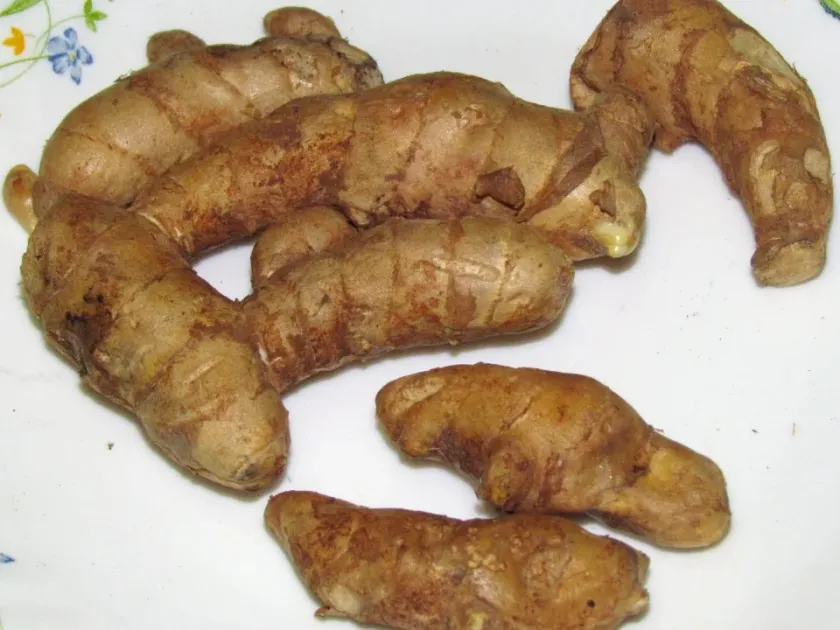
Description
Sowing dates
Mango ginger (Curcuma amada), a member of the Zingiberaceae family, is propagated primarily through vegetative methods using rhizome sections. Planting is typically scheduled at the onset of the monsoon season, when soil temperatures reach the threshold required for sprouting.
For successful cultivation, growers should select healthy rhizome segments weighing 25–35 grams, ensuring each piece contains at least two to three active buds. These are placed into prepared furrows or raised beds with a spacing of 20–25 centimeters between plants to allow for optimal development.
The planting depth should be approximately 5–7 centimeters. Excessive depth can impede sprout emergence, while shallow planting might expose the rhizomes to environmental stress, necessitating mulching with organic material to stabilize soil conditions.
The germination period usually spans 15 to 25 days. During this time, moisture management is critical; the soil should remain consistently damp but not saturated, as standing water can lead to the decay of the seed rhizomes before they establish a robust root system.
Although it is a perennial plant, commercial farming typically treats mango ginger as an annual crop. The full cycle from planting to harvest usually lasts between seven to nine months, depending on the specific environmental conditions of the region.
Growing requirements
Mango ginger thrives in tropical and subtropical climates, requiring temperatures between 25 and 35 degrees Celsius for active growth. It is highly sensitive to extreme cold, which can cause dormancy or damage to the rhizome structure.
The ideal soil for this crop is loose, well-drained, and rich in organic matter. Heavy clay soils are unsuitable as they restrict rhizome expansion and promote waterlogging, which is a primary cause of physiological stress and disease development.
Consistent moisture is essential throughout the growing season. While the crop requires significant rainfall or irrigation, it must be balanced with efficient drainage. During dry spells, supplemental irrigation is necessary to prevent rhizome shrinkage and ensure uniform development.
Light intensity also influences growth; while mango ginger can tolerate partial shade, it performs best in locations with filtered sunlight. Excessive exposure to direct, harsh solar radiation during the middle of the day can cause leaf scorch and heat stress.
Soil fertility management is foundational; incorporating well-composted organic material into the soil before planting ensures a steady supply of nutrients. Balanced fertilization programs that include micronutrients are recommended to support high-quality rhizome production.
Yield
Average yields for mango ginger range from 15 to 25 metric tons per hectare. This variation is largely dependent on soil quality, the selection of high-performing genetic lines, and the effectiveness of crop management practices throughout the season.
Intensive farming methods, such as utilizing precision irrigation and optimized fertilizer timing, can significantly push yield potential toward the higher end of the spectrum. Most of the rhizome biomass is accumulated during the final months of the growing period.
Varietal selection plays a significant role in productivity. Growers should prioritize clones that demonstrate vigor and resistance to common pathogens, as these factors directly correlate to the final harvest weight and the quality of the raw product.
Post-harvest processing involves cleaning and grading, where the rhizomes are evaluated for size, firmness, and the intensity of their signature mango-like aroma. These sensory qualities are crucial for marketability and determine the end-use value.
Storage management is vital to maintaining yield quality. Controlled environments with moderate temperatures prevent desiccation and fungal growth, ensuring that the harvest remains in optimal condition for distribution and processing.
Main diseases and pests
The primary threats to mango ginger are soil-borne pathogens, particularly species within the Fusarium and Pythium genera. These pathogens cause root and rhizome rot, especially in fields with poor drainage or during prolonged periods of excessive rain.
Insect pests, such as the rhizome borer (Dichocrocis punctiferalis), can cause substantial damage by tunneling into the stem and rhizome. Such infestations lead to wilting and reduced photosynthetic capacity, which directly negatively impacts crop vigor.
Nematode infestations are also a significant concern, as they cause gall formation on the roots and rhizomes, reducing the marketable value of the crop. Crop rotation and the use of clean planting material are essential strategies for nematode management.
Leaf-feeding insects may occasionally pose a threat, though they are rarely fatal to the plant. Integrated pest management, including regular field monitoring and the use of biological control agents, is the most effective approach to handling these challenges.
Prevention is the cornerstone of disease management. Treating rhizomes with authorized fungicides before planting, maintaining proper plant density for air circulation, and avoiding waterlogged soil conditions are essential practices for a healthy crop.
Harvesting
Harvesting typically commences 7–9 months after planting, signaled by the yellowing and subsequent drying of the foliage. This senescence indicates that the rhizomes have reached their full maturity and peak aromatic potential.
The extraction process requires careful handling, often using forks to lift the rhizomes from the soil. Minimizing mechanical damage is critical, as any injury to the rhizome surface invites microbial infection and reduces shelf life.
Once lifted, the rhizomes must be cleaned of residual soil and vegetative matter. Washing with clean water improves the aesthetic quality and removes surface pathogens, which is an important step before the product enters the supply chain.
Sorting should be meticulous, separating damaged or diseased rhizomes from the healthy stock to prevent cross-contamination during storage. Proper grading ensures that only the highest quality products reach the consumer.
Timely harvest is essential to capture the volatile compounds responsible for the plant's unique mango-like scent. Careful planning ensures that the harvest occurs under dry conditions, which is beneficial for the post-harvest storage stability of the ginger.