
Curcuma Maejo
Curcuma alismatifolia x aurantiaca Maejo
Description
Sowing dates
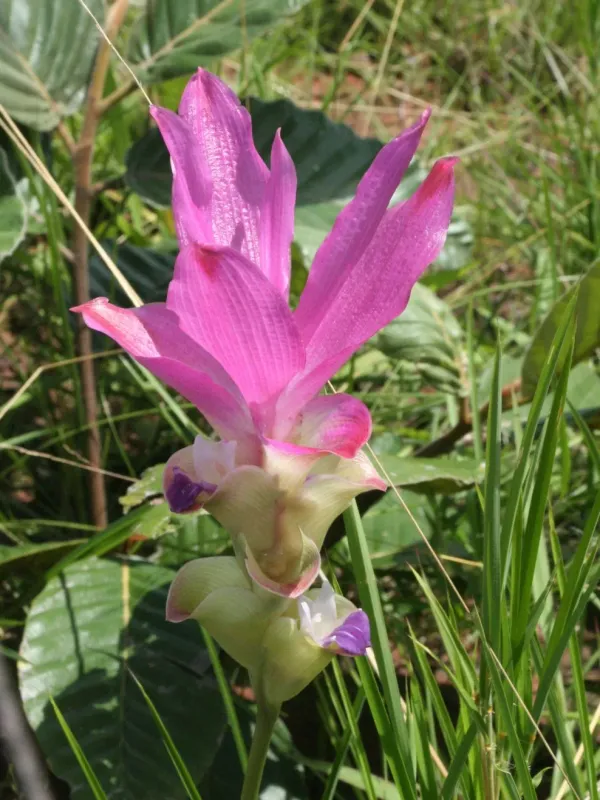
Curcuma Maejo (Curcuma alismatifolia x aurantiaca Maejo) is a highly ornamental hybrid belonging to the Zingiberaceae family. It is a perennial herbaceous plant with robust rhizomes, widely cultivated as a potted crop or for high-quality cut flowers.
The planting of rhizomes in greenhouses is typically scheduled for late winter or early spring. The optimal time to initiate growth is when soil temperatures consistently reach at least 18°C, ensuring rapid emergence.
For successful sprouting, rhizomes are placed in a nutrient-rich substrate at a depth of 3–5 cm. With a stable temperature range of 22–25°C, shoots generally emerge within 3 to 4 weeks after planting.
The crop prefers loose, well-draining substrates. In commercial production, a mix of peat and perlite is often utilized to ensure optimal root zone aeration and to prevent the risk of waterlogging, which is critical for rhizome health.
After the flowering season concludes and foliage turns yellow, the plant enters a dormant phase. During this period, irrigation is reduced to a minimum, and rhizomes are stored in a cool, dry environment until the next growing cycle.
Growing requirements
Curcuma Maejo is a heat-loving crop that requires consistently warm temperatures for vigorous development. During the active growing season, daytime temperatures should be maintained between 23 and 28°C, with nighttime temperatures ideally remaining above 18°C.
The plant requires bright, filtered sunlight. Direct midday sun can cause severe leaf scorch; therefore, the use of shading nets with a density of 30–50% is standard practice in greenhouse environments to protect the foliage.
High relative humidity is essential for vibrant flower production. Maintaining humidity levels between 70% and 80% prevents leaf tip burn and promotes the development of large, colorful bracts that are characteristic of this variety.
Irrigation must be regular and balanced. While the substrate should never dry out completely, excessive moisture can lead to root rot. High-quality water, free from chlorine or excessive salts, is preferred for long-term plant health.
Regular fertilization with complex mineral fertilizers, specifically those higher in potassium and phosphorus, is necessary to support the plant's metabolic needs and promote the production of high-quality inflorescences.
Main diseases and pests
The primary pests affecting Curcuma Maejo include spider mites and mealybugs. These pests thrive in dry and warm conditions, rapidly damaging leaves and potentially weakening the overall plant structure.
Root rot caused by pathogens such as Fusarium or Pythium is a significant threat when soil drainage is poor or irrigation is mismanaged. Maintaining strict sanitary conditions and using sterilized media are the primary preventive measures.
Thrips can target developing buds, leading to unsightly deformities and reduced commercial value. Integrated pest management, including the use of systemic insecticides, is required to keep populations under control.
Bacterial soft rot can occur under conditions of extreme humidity and poor ventilation. Ensuring proper airflow throughout the canopy is essential to keep plant surfaces dry and reduce the likelihood of bacterial outbreaks.
Regular scouting for early signs of disease and pest infestation allows for quick intervention and helps isolate affected plants, preventing the spread of diseases within the production facility.
Harvesting
Harvesting of Curcuma Maejo inflorescences occurs when the bracts are fully colored, but before the lower individual flowers begin to fade. This timing ensures the longest vase life, which can last up to 20 days.
The best time for harvesting is early morning when the plants have maximum turgor. Tools must be sharp and disinfected to prevent the introduction of pathogens through fresh cut wounds.
Harvested stems should be placed immediately into clean water. Using commercial preservatives can significantly extend the vase life by preventing bacterial buildup in the stems, maintaining the flower's freshness during transport.
For rhizome harvesting at the end of the season, the roots are gently cleaned of soil and dried. Careful handling is necessary to ensure the rhizomes are free of mechanical injury before storage.
Healthy, disease-free rhizomes are the foundation of future production. Proper curing and storage in a cool, well-ventilated space guarantee high viability and productivity for the upcoming season.