
Cuphea wrightii
Cuphea wrightii
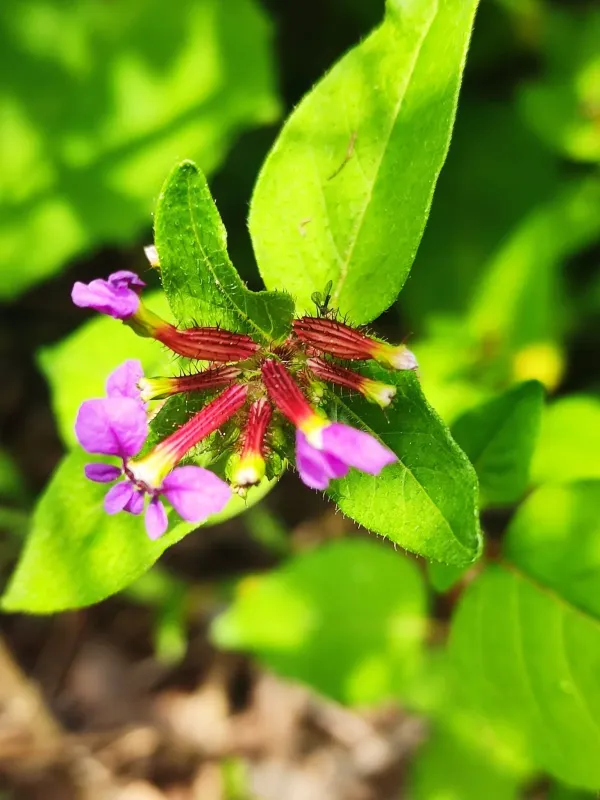
Description
Sowing dates
Cuphea wrightii, a member of the Lythraceae family, is gaining attention as a specialty oilseed crop. This annual herb is valued for the unique fatty acid composition of its seeds, which have potential applications in various industrial sectors.
Sowing should take place once soil temperatures reach a stable 15–18°C. In temperate regions, this usually implies late May, as the plant is extremely sensitive to cold snaps and is incapable of surviving frost during the germination phase.
The crop is typically sown in wide rows, with spacing between 45 and 60 cm. This layout is designed to optimize light interception and air circulation, which are essential for the plant to thrive during its growth cycle.
Seeding rates are generally set at 5–8 kg per hectare, depending on seed quality and soil conditions. Given the small size of the seeds, they should be planted at a shallow depth of only 1–2 cm to ensure high emergence rates.
Initial growth of Cuphea wrightii is notably slow. Farmers must ensure proper weed management during the first few weeks, as the young seedlings are poor competitors against aggressive weed species.
Growing requirements
Cuphea wrightii is a warm-season crop that thrives in temperatures between 22°C and 30°C. It requires a relatively long and frost-free growing season to reach physiological maturity and achieve maximum oil accumulation.
The plant prefers well-drained, fertile soil, such as sandy loams or silty soils with good structure. Waterlogging is detrimental to the plant, as it quickly induces root rot and can lead to total crop failure in extreme cases.
Adequate soil moisture is particularly critical during the flowering and pod-filling stages. Water stress during these periods will likely result in flower abortion and significantly lower seed yields.
As a sun-loving species, it must be placed in full sunlight. Any shade provided by surrounding crops or structural barriers will result in stunted growth and a significant reduction in biomass production.
Soil fertility management should focus on balanced NPK applications. Phosphorus and potassium are especially important for supporting the development of reproductive organs and ensuring proper seed maturation.
Main diseases and pests
The most common agricultural threats to Cuphea wrightii include root-borne fungal diseases, which are usually exacerbated by poor soil drainage. Maintaining a proper crop rotation cycle helps to mitigate the buildup of soil pathogens.
Insect pests, specifically aphids and spider mites, can cause severe stress to the crop during hot, dry spells. These pests reduce the photosynthetic capacity of the plant, which directly impacts the oil content of the seeds.
Powdery mildew is another occasional threat, particularly in humid environments with fluctuating temperatures. Preventive measures include ensuring good plant spacing and, if necessary, applying fungicides early in the infection stage.
Weed competition remains the primary challenge in commercial cultivation. Since the plant starts slowly, mechanical cultivation between rows is often necessary to prevent weeds from overpowering the crop.
Integrated pest management (IPM) strategies are recommended, as the crop requires insect pollinators for optimal seed set. Over-reliance on broad-spectrum insecticides should be avoided to protect local bee populations.
Harvesting
Harvesting is the most technical aspect of Cuphea production due to the indeterminate flowering habit and the high risk of seed shattering. The pods ripen asynchronously, requiring careful timing to maximize yield.
The ideal harvest window begins when approximately 60–70% of the seed pods have turned brown. Harvesting too early results in immature seeds with lower oil quality, while waiting too long leads to significant field losses.
Many growers utilize a two-stage harvest process, where the crop is swathed and left to dry in the field before being combined. This allows for a more uniform drying process and reduces mechanical shatter losses.
Post-harvest handling requires immediate cleaning to remove plant debris and moisture reduction. Seed moisture must be brought down to 8–10% for safe storage, as high-oil seeds are prone to oxidation and spoilage.
Proper storage conditions involve cool, dry, and well-ventilated silos. Protecting the seeds from excessive heat and humidity is vital for preserving the chemical integrity of the extracted oils.